

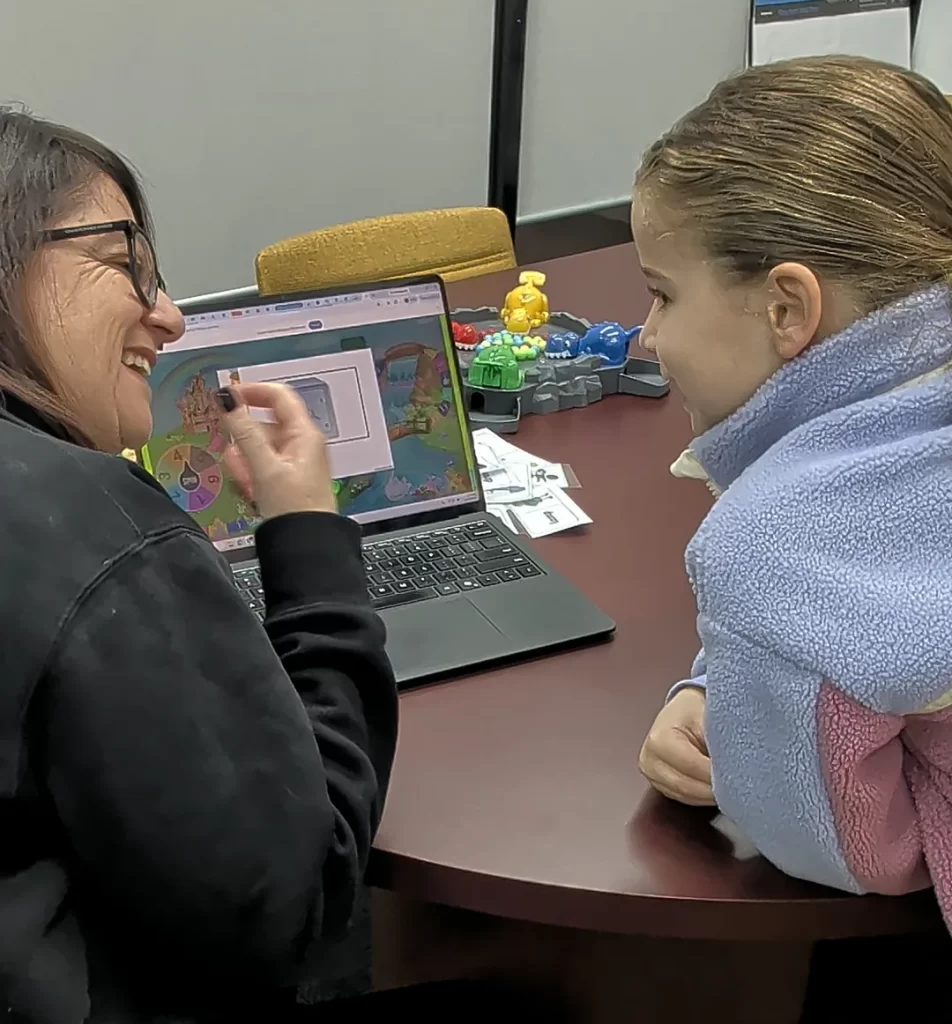
Speech pathology is an allied health profession that helps people communicate. Speech Pathologists work with children and adults who have difficulties with speech, language, voice, fluency and communication.
The support someone needs can vary considerably. A child might need help developing speech sounds or understanding language, while an adult may need support communicating after a stroke.
In Australia, Speech Pathologists work across homes, schools, hospitals, aged care, disability services and community settings. At Total Health Choice, our Speech Pathologists provide mobile support across South East Melbourne, helping people work towards practical communication goals in familiar everyday environments.
What Does a Speech Pathologist Do?
A Speech Pathologist assesses and supports difficulties with communication. Their role is broader than helping someone pronounce words clearly.
Depending on the person’s needs, a Speech Pathologist may provide support with:
- Speech: Producing sounds clearly and making speech easier to understand.
- Language: Understanding what others say and expressing thoughts, needs and ideas.
- Voice: Managing difficulties with voice quality, volume or control.
- Fluency: Supporting people who stutter or experience other disruptions to the flow of speech.
- AAC: Using augmentative and alternative communication, such as communication boards, symbols or speech-generating devices, when spoken communication is difficult.
Speech pathology strategies can also be carried into everyday life. This may involve working with family members, carers, teachers, support workers and other healthcare professionals to encourage consistent support across different environments.
Learn more about our Speech Pathology services in Melbourne.
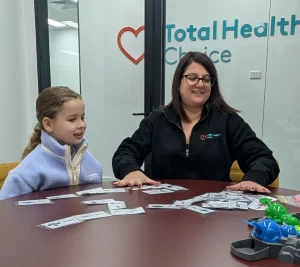
Speech Therapy vs Speech Pathology: What’s the Difference?
There is no practical difference between speech therapy and speech pathology in Australia.
Speech pathology is the formal professional term used in Australia, while speech therapy is a common term people use when talking about the same type of support. The professionals providing these services are called Speech Pathologists.
The profession also covers much more than speech. Speech Pathologists can support language, communication, voice, fluency and the use of AAC.
This is why the term speech pathology more accurately reflects the full scope of the profession.
Who Can Benefit From Speech Pathology?
Speech pathology can support people at many different stages of life. The reason for seeing a Speech Pathologist will depend on the person’s communication and everyday participation needs.
Children
Children may benefit from speech pathology when they have difficulty developing speech, language or communication skills.
Support may include:
- Speech sound and articulation difficulties
- Delayed speech or language development
- Understanding and using language
- Social communication
- Fluency and stuttering
- AAC where appropriate
Therapy should consider the child’s development, strengths and everyday environments. Working with parents, carers and educators can also help strategies become part of daily routines.
Learn more about our paediatric allied health services.
Adults
Adults may need speech pathology following an illness or injury that affects communication.
This can include people recovering from:
- Stroke
- Acquired brain injury
- Neurological conditions
- Surgery or other medical conditions affecting communication
Support might focus on expressing thoughts, understanding language, speaking clearly or using AAC.
Older Adults
Communication can also change as people get older, particularly following a stroke or alongside conditions such as dementia and other neurological conditions.
A Speech Pathologist may assess communication difficulties and recommend practical strategies to support safety, participation and quality of life.
Where appropriate, this may also involve working closely with family members, carers and the wider healthcare team.
NDIS Participants
Speech pathology can support NDIS participants where communication is related to their disability and the support meets relevant NDIS funding requirements.
Depending on individual goals and functional needs, this could include communication skills, AAC or social communication.
Learn more about Total Health Choice’s NDIS allied health services.
What Happens in Your First Speech Pathology Session?
Your first appointment gives your Speech Pathologist an opportunity to understand what is happening, what matters to you and what you would like to achieve.
The appointment will usually begin with a discussion about your current concerns, medical or developmental history, everyday routines and communication needs.
Depending on the reason for your appointment, your Speech Pathologist may then assess areas such as:
- Speech and pronunciation
- Understanding and using language
- Voice or fluency
- Communication in everyday situations
- Current communication strategies or AAC
They will also consider how these difficulties affect everyday life at home, school, work or in the community.
From there, you can discuss meaningful goals and the most appropriate next steps. Recommendations will depend on the assessment and your individual needs rather than following the same therapy program for everyone.
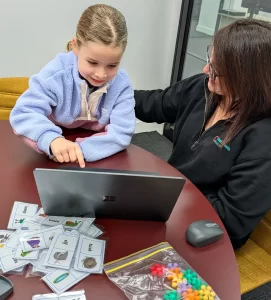
How to Access Speech Pathology in Melbourne
There are several ways people may access speech pathology in Melbourne, depending on their circumstances and eligibility.
Total Health Choice supports clients through funding pathways including:
- NDIS: For eligible participants where speech pathology relates to disability support needs and meets NDIS funding requirements.
- Aged care funding: Eligible older Australians may be able to access allied health support through applicable aged care funding arrangements.
- Private payment: Speech pathology can also be accessed privately without a GP referral.
You do not need a GP referral to contact Total Health Choice or make an initial referral.
Our mobile Speech Pathology services in Melbourne support children and adults in their homes and other community environments where appropriate.
Ready to get started? Make a referral online and our team can help you with the next steps.
Frequently Asked Questions
What is speech pathology?
Speech pathology is an allied health profession that supports people with communication. This can include speech, language, voice, fluency and AAC.
What does a Speech Pathologist do?
A Speech Pathologist assesses communication difficulties and develops strategies or therapy based on the person’s needs and goals. They may work with children experiencing speech or language difficulties, adults recovering from stroke or brain injury, people with disability, and older adults experiencing communication changes.
Is speech therapy the same as speech pathology?
Yes. In Australia, speech pathology is the formal professional term, while speech therapy is commonly used to describe the same profession and services.
Do I need a referral to see a Speech Pathologist?
You do not generally need a GP referral to access speech pathology privately or make a referral to Total Health Choice. Some funding pathways have their own referral requirements.
