Exercise Physiology uses clinical, structured exercise to improve health, manage chronic conditions and support recovery. It is not general fitness. It is targeted, safe and designed around how your body moves and functions in daily life.

At Total Health Choice, our NDIS and Aged Care exercise physiology services are delivered by highly experienced exercise physiologists who understand disability, ageing and complex health needs. We support kids, adults, older adults and NDIS participants to build strength, reduce pain, improve mobility and stay independent.

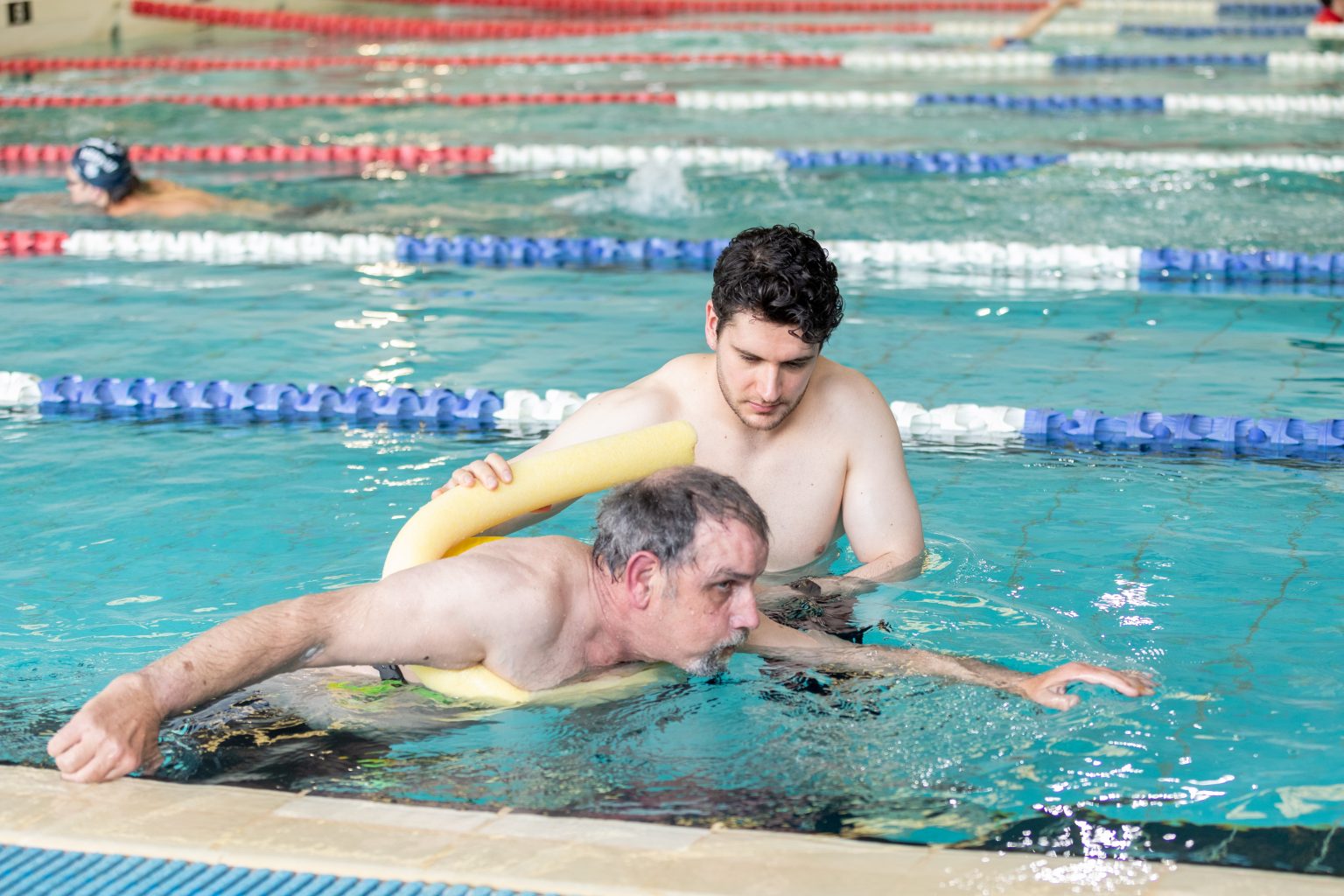
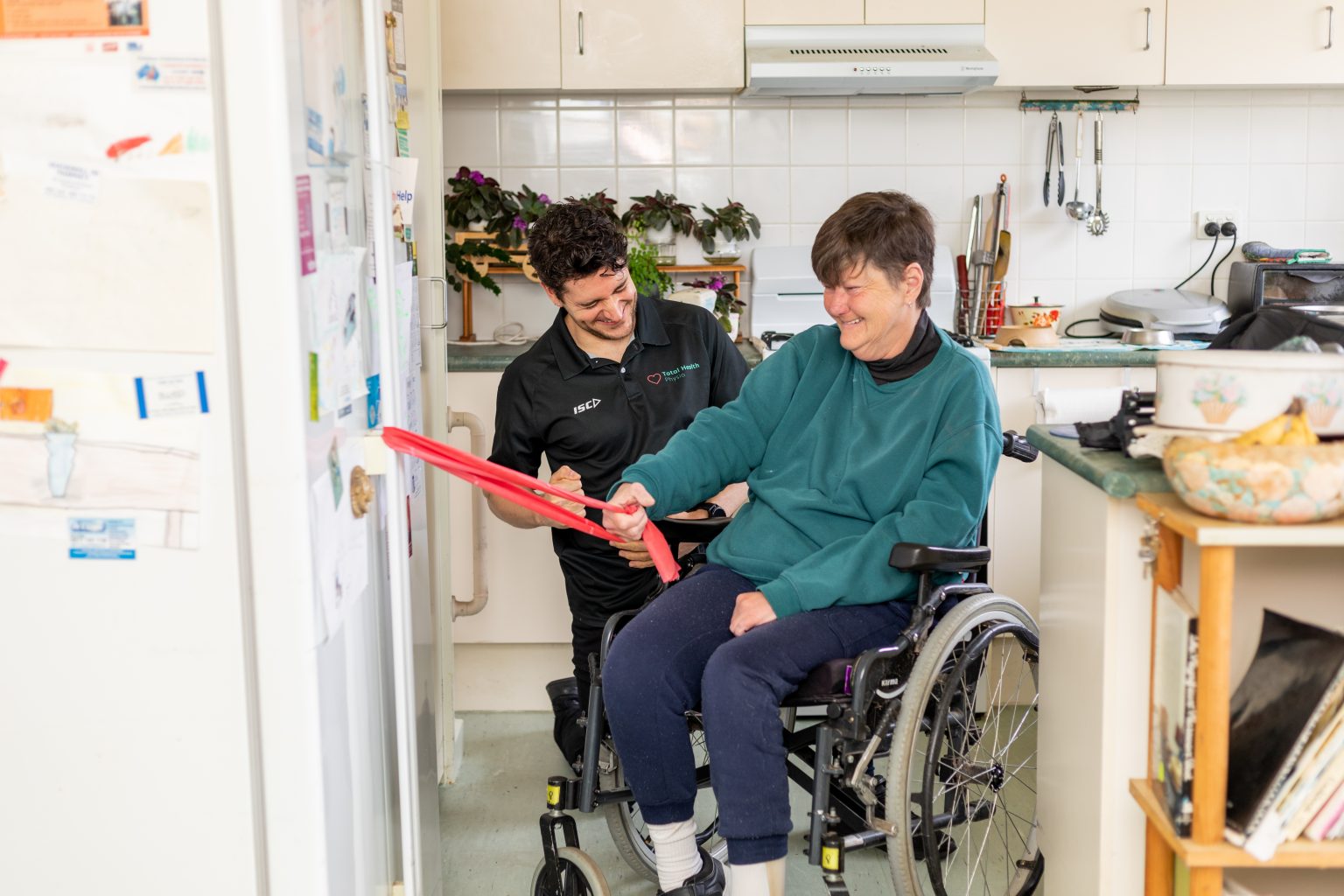
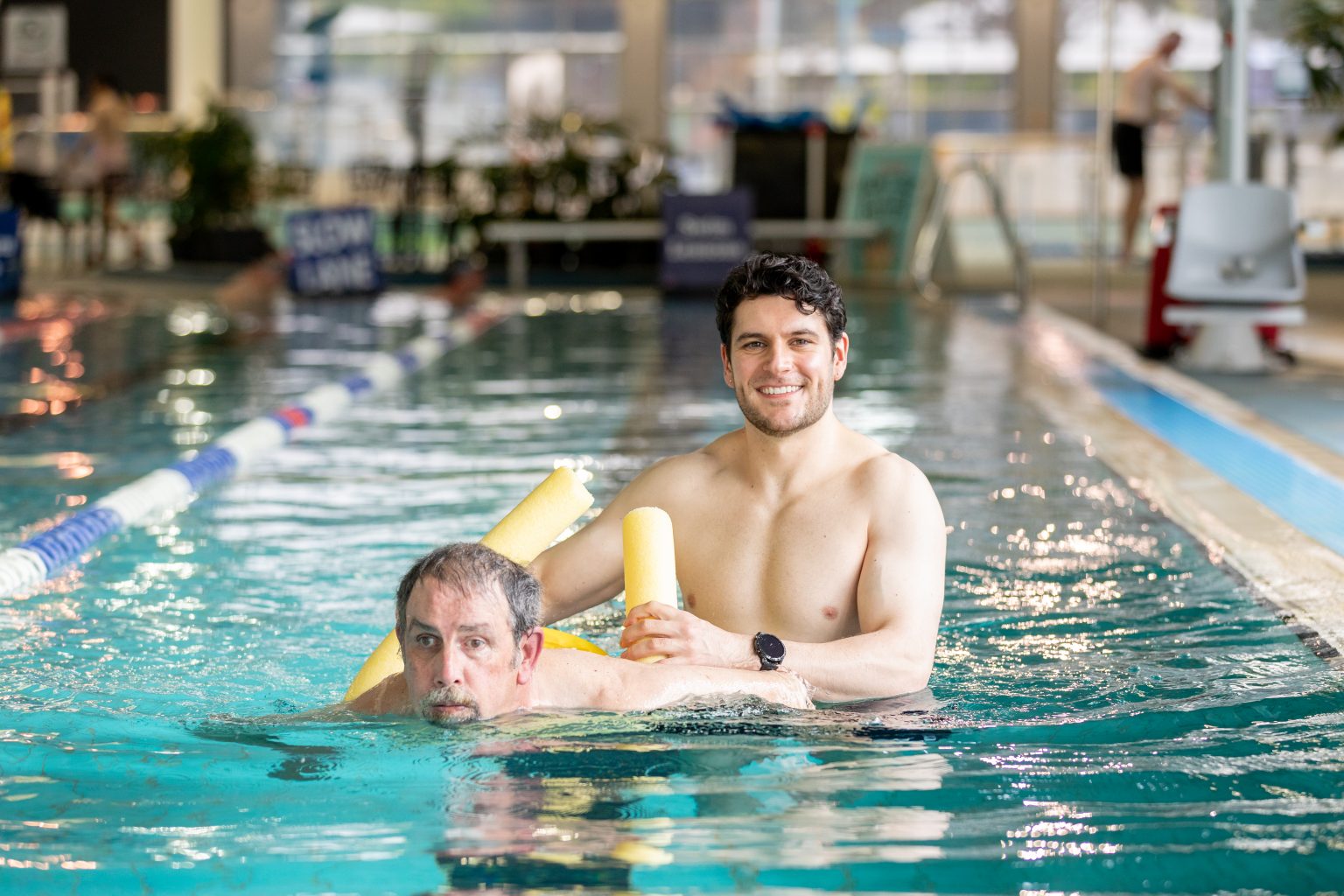
Programs are personalised and delivered at home, a gym or in the community. Exercise physiology can also be combined with services such as NDIS occupational therapy, mobile physiotherapy, hydrotherapy and remedial massage to provide coordinated, whole-person care.
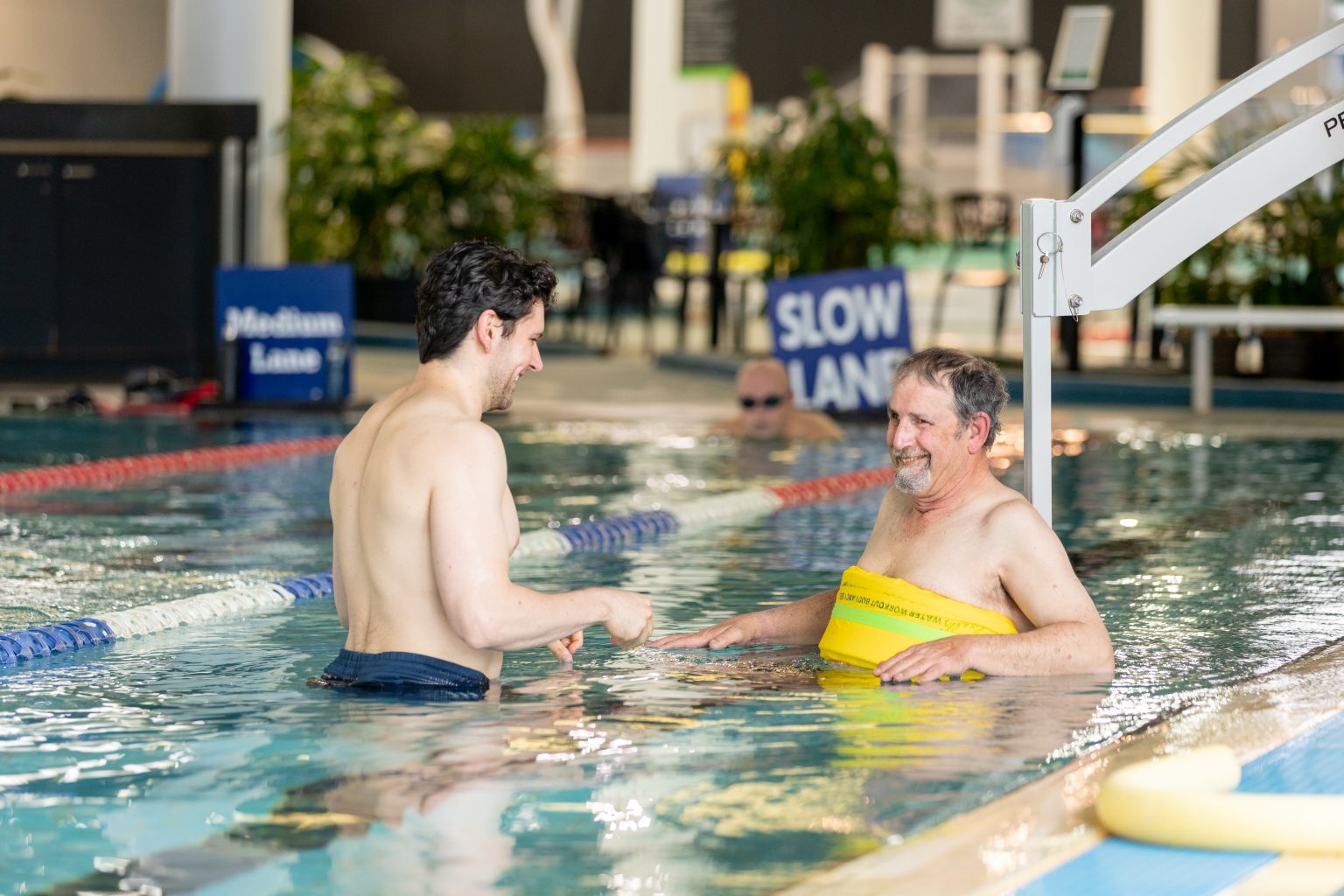
Caring Exercise Physiology Services

Total Health Choice offers a highly-skilled Exercise Physiology service. Our Exercise Physiologists specialise in clinical exercise interventions for people with a broad range of health issues. They can assist people who:

  • Have existing injuries
  • Have been diagnosed with a medical condition
  • Have been identified as being at risk of particular medical conditions
  • Need assistance with a chronic disease or injury
  • Need assistance in restoring their optimal health and function

This service is available to anyone in the community including private patients and NDIS participants. At Total Health Choice, we focus on assisting adults, particularly those who are elderly or living with a physical or neurological disability.

Contact Us

How Exercise Physiology Helps

Exercise Physiology uses evidence based movement to improve how your body functions in daily life. Programs are designed around your health needs, goals and capacity. Support is clinical, structured and safe.

Our NDIS and Aged Care exercise physiology services can help you:

  • Improve mobility and movement confidence
    Targeted exercises support walking, balance and functional movement. This works well alongside our mobile physiotherapy services for people needing hands-onor more specific movement support.
  • Build strength and physical capacity
    Strength training improves muscle support, joint stability and endurance. This helps you stay independent at home and in the community.
  • Manage chronic conditions and pain
    An NDIS and Aged Care exercise physiologist can support conditions such as arthritis, diabetes, cardiovascular disease and neurological conditions. Movement is used to reduce symptoms and improve quality of life. Programs often complement care such as aged care and NDIS Physiotherapy.
  • Support injury recovery and prevent re-injury
    Exercise programs guide safe recovery after injury or surgery. They also address movement patterns and strength gaps that increase injury risk.
  • Improve mental health and overall wellbeing
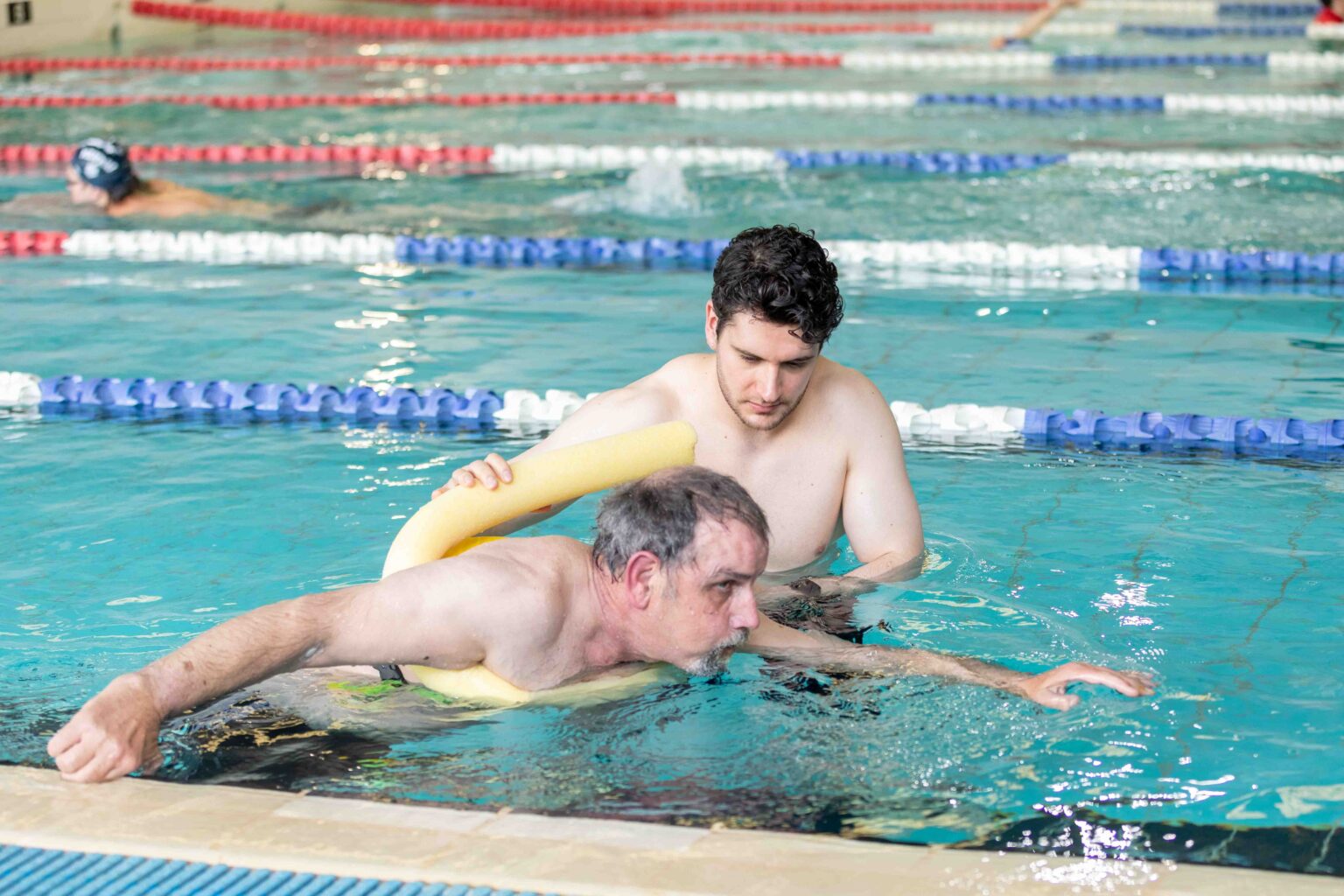
    Regular, guided movement supports mood, motivation and energy levels. Low-impact options like hydrotherapy can be helpful for people managing pain or fatigue.
  • Support long-term independence
    Sessions focus on practical goals such as daily tasks, mobility and confidence. Exercise Physiology may be combined with remedial massage to support recovery and movement comfort.

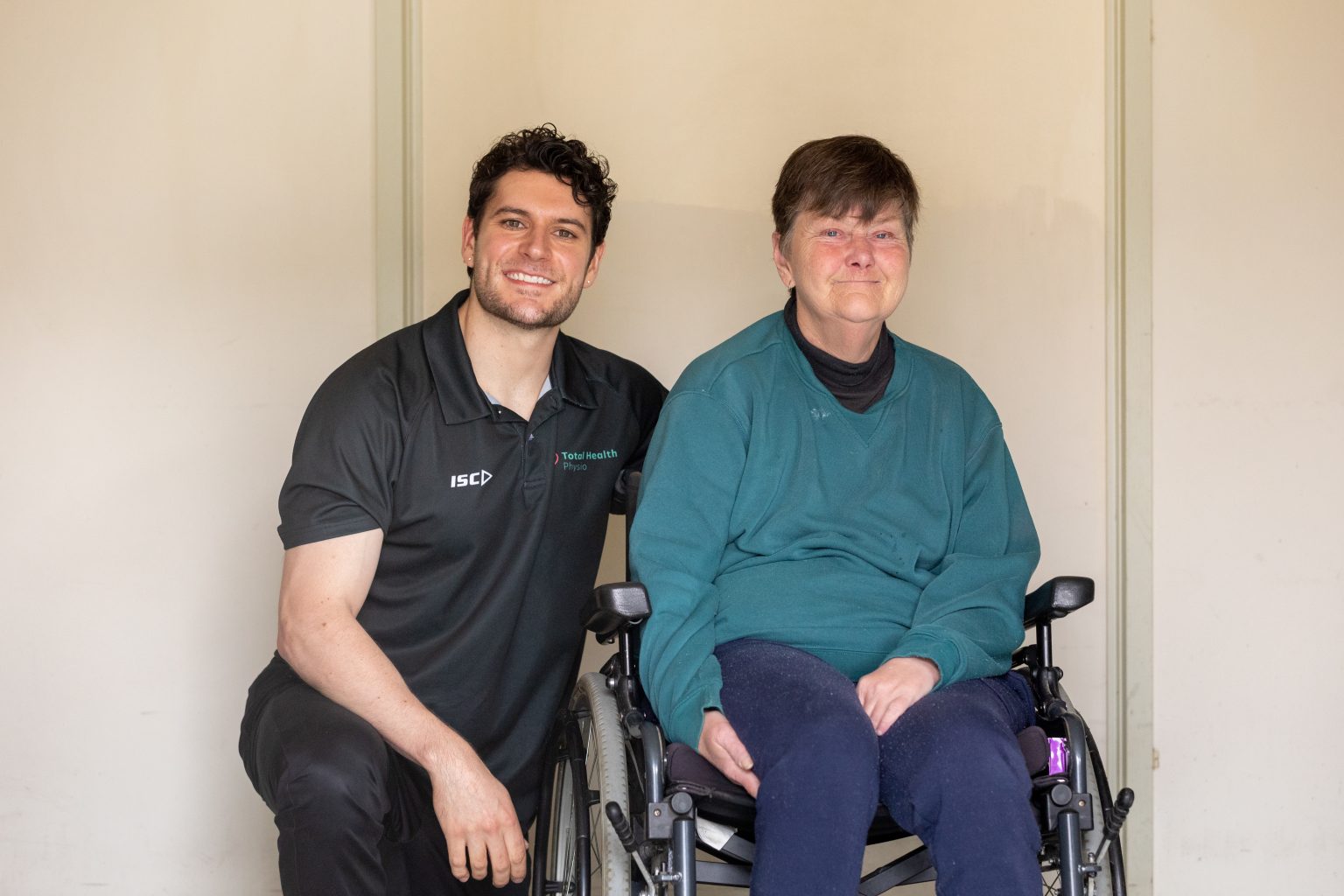
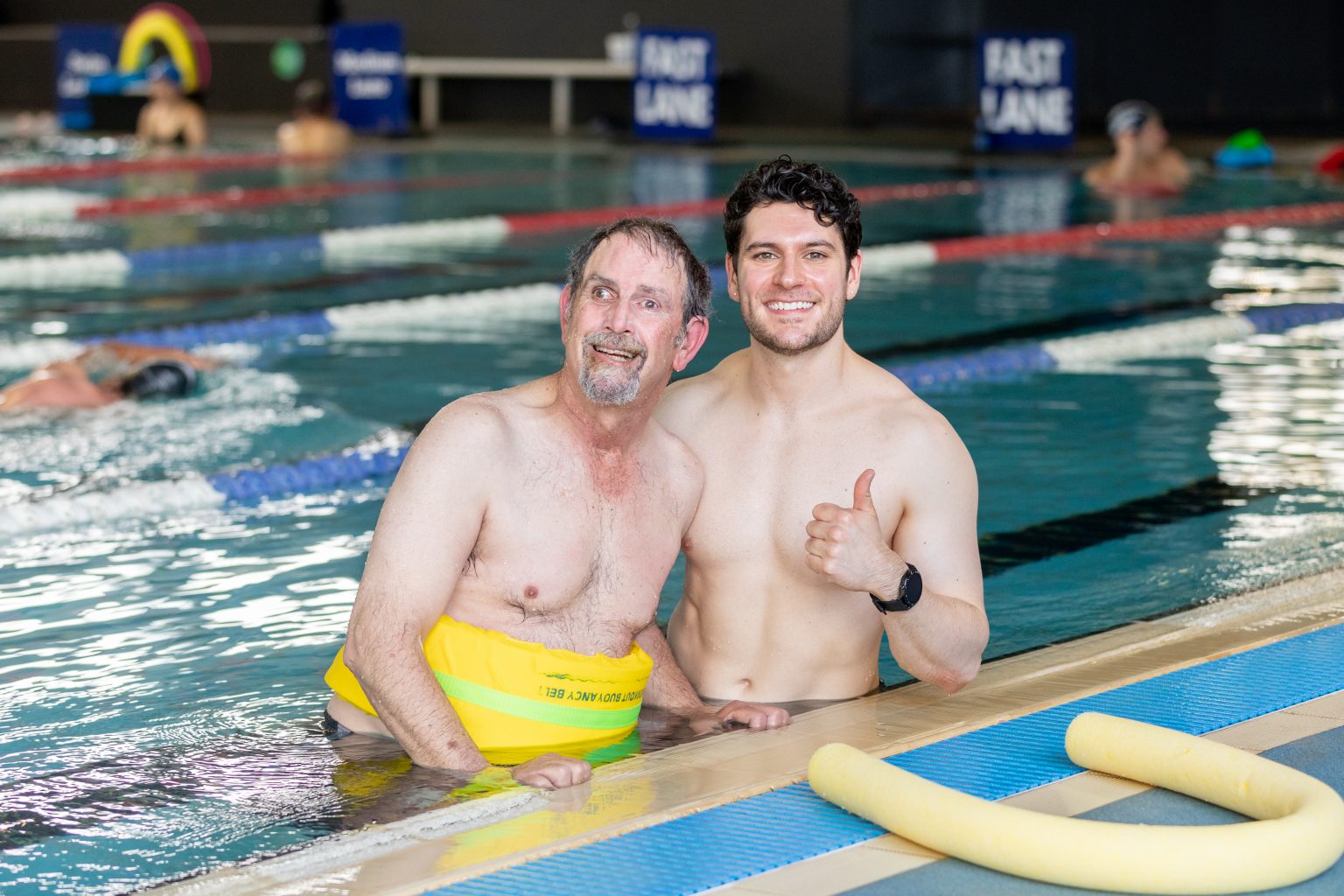
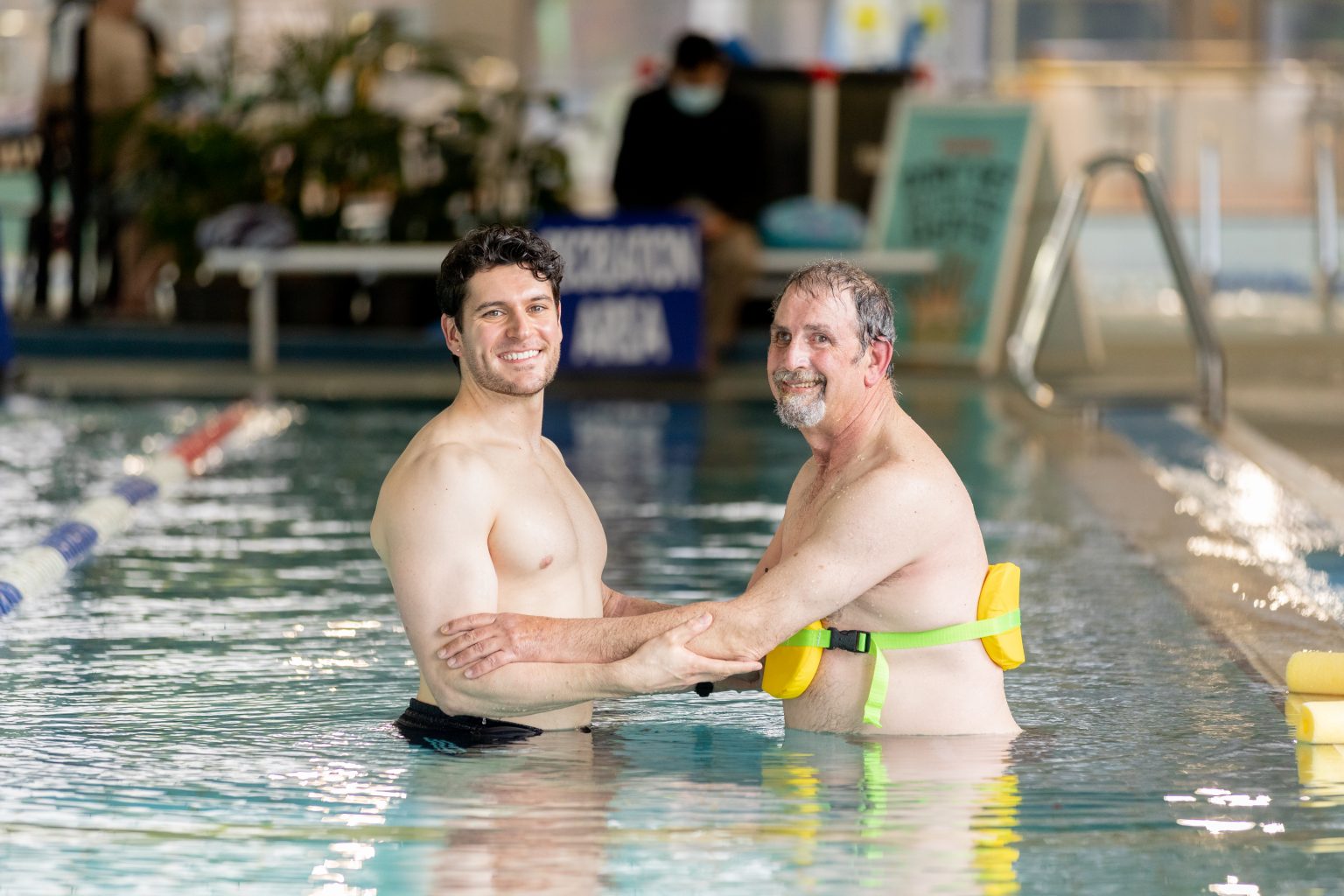
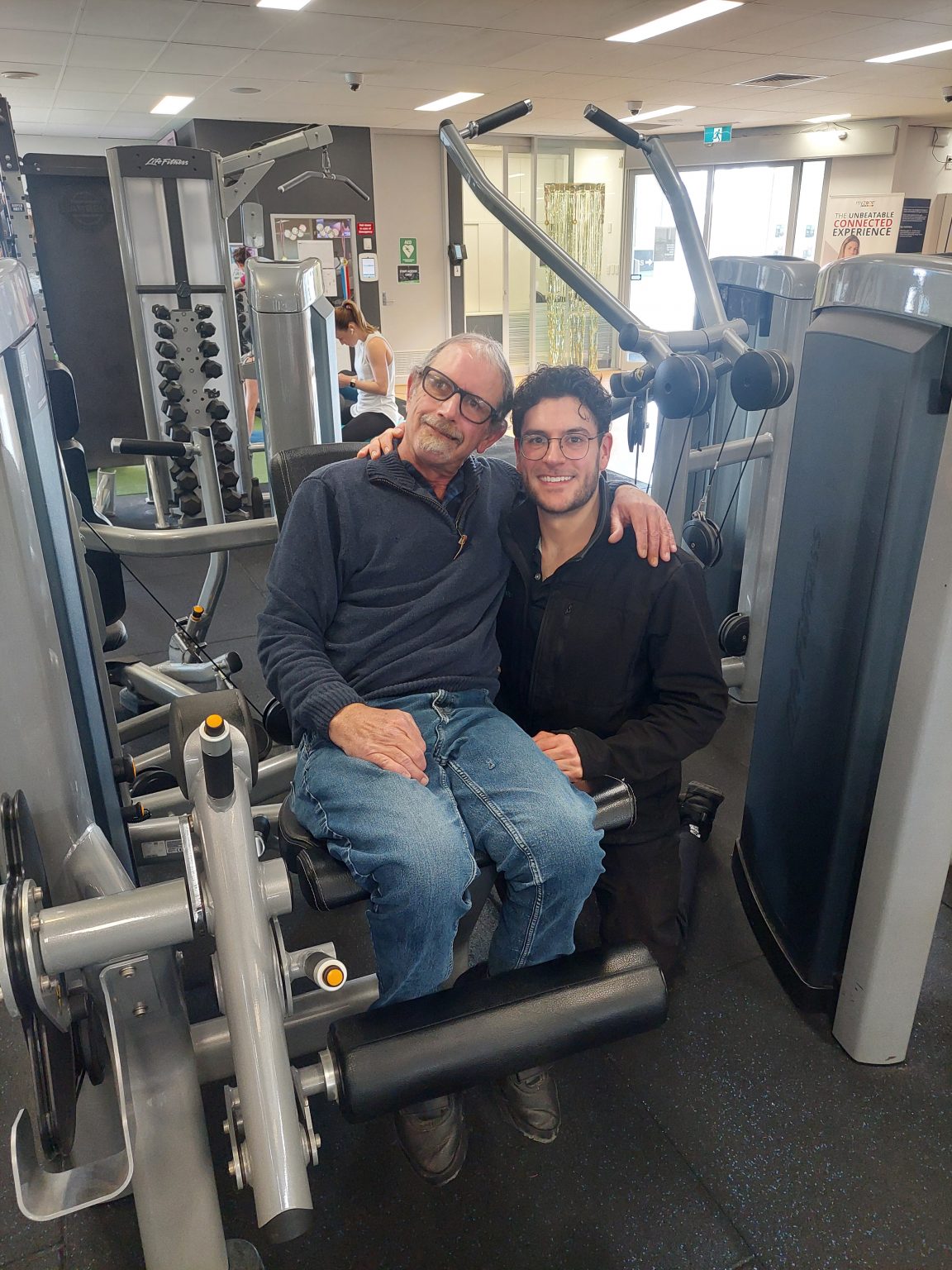
Meet Patrick, Our Wonderful Exercise Physiologist

At Total Health Choice, our highly-qualified Exercise Physiologists are accredited through Exercise and Sport Science Australia (ESSA). Please read more about them on our staff page!

Our EP areas of experience include:

  • Aged care
  • Neuro-cardiac rehabilitation
  • Orthopaedic rehabilitation
  • Chronic musculoskeletal conditions
  • Mental health conditions
  • Assisting individuals with disabilities

What is Included in Home Visit Exercise Physiology?

Following the initial appointment, our Exercise Physiologists will develop a comprehensive, evidence-based exercise program.

The exercise program will be tailored to suit the client’s individual needs, taking into account any contributing lifestyle and health factors, such as:

  • Work/study
  • Leisure
  • Hobbies
  • Living situation
  • Social life
  • Current activity level (as well as previous activity levels)
  • Access to exercise equipment

Subsequent appointments will generally include going through the exercise program, as well as prescribing an at-home, independent program for between visits.

Our Approach

At Total Health Choice, Exercise Physiology is grounded in collaboration, clarity and purpose. Every session is goal focused and designed around how you live, move and function day to day.

Our Exercise Physiologists work closely with other allied health professionals, including Physiotherapists and Occupational Therapists, to ensure care is coordinated and consistent. This integrated approach supports safer progress, better outcomes and long-term independence.

We keep plans practical, adaptable and easy to follow, with a clear focus on building confidence, capacity and sustainable movement over time.

When is an Exercise Physiologist Recommended?

Exercise Physiologists often work hand in hand with Physiotherapists and in many cases clients will benefit from the expertise of both.

A Physiotherapist will often provide specialised care in response to an individual’s specific injuries or rehabilitation goals.

An Exercise Physiologist will provide an extra dimension to the rehabilitation and look at an individual’s overall health, fitness and wellbeing.

When to Consider Exercise Physiology

Exercise Physiology is suited to people who need ongoing, structured movement support to improve health and function over time. It focuses on safe progression, long-term wellbeing and confidence in daily movement.

You may benefit from seeing an NDIS or Aged Care exercise physiologist if you:

  • Live with chronic pain, stiffness or reduced function
  • Manage long-term conditions such as arthritis, diabetes, heart or lung disease
  • Feel deconditioned, fatigued or weaker after illness, injury or inactivity
  • Want to improve strength, balance or endurance with clinical guidance
  • Are returning to activity after surgery or hospitalisation
  • Access NDIS to support independence and daily function
  • Seeing a functional decline in your day to day activities

Exercise Physiology focuses on prevention, capacity building and long-term management. Sessions are progressive and adapted as your strength, confidence and tolerance improve.

Physiotherapy often supports early recovery and acute care. An Exercise Physiologist steps in when the goal is ongoing conditioning, functional improvement and sustainable movement habits.

For many individuals, NDIS and aged care exercise physiology becomes an essential part of staying active, independent and well.

Why Choose Total Health Choice

Total Health Choice is trusted by individuals, families and providers across Melbourne for reliable, home-based allied health care. We bring over 14 years of experience, a team of more than 50 allied health professionals and over 200 five star reviews to every service we deliver.

Our Exercise Physiologists are known for clear communication, compassionate care and programs that deliver real outcomes. We work collaboratively with clients, families and support teams to ensure care feels personal, consistent and effective. The focus is always on safety, progress and long-term independence at home and in the community.

Ready to Work with a Total Health Choice Exercise Physiologist?

Starting with an Exercise Physiologist is simple, clear and supportive.

Step 1. Book your initial visit

Contact our team to arrange a home visit with an accredited Exercise Physiologist. We confirm goals, funding and scheduling.

Step 2. Initial assessment

Your first session includes a goal-focused assessment of movement, strength, endurance and daily function.

Step 3. Personalised exercise program

You receive an evidence-based program personalised to your needs, capacity and goals. Programs support recovery, chronic condition management and long-term independence.

Step 4. Ongoing reviews

Progress is reviewed regularly and your program is adjusted as your strength and confidence improve.

If you are considering NDIS or aged care exercise physiology and want guidance on the next step, our team is ready to help. Contact us to begin your journey of supported, confident movement.

Exercise Physiology FAQs

  • How is Exercise Physiology different from standard personal training?

    Exercise Physiology is a clinical service delivered by a qualified Exercise Physiologist. Programs are evidence based and designed to manage injury, disability and chronic conditions. This differs from personal training, which focuses on general fitness rather than health-related outcomes. NDIS and aged care exercise physiology supports safety, function and long-term wellbeing.

  • What conditions benefit most from Exercise Physiology?

    Exercise Physiology supports people living with chronic pain, arthritis, neurological conditions, diabetes, heart or lung disease, fatigue, deconditioning and mobility decline. It is also effective after injury, surgery or hospitalisation when structured, ongoing support is needed.

  • How are programs adapted for home visits or limited equipment?

    Programs are designed around your home environment, available space and equipment. Many exercises use body weight or simple items. This makes mobile, home-based exercise physiology practical, safe and easy to maintain between visits.

  • Can Exercise Physiology work alongside Physiotherapy or Occupational Therapy?

    Yes. Exercise Physiologists often work alongside Physiotherapists and Occupational Therapists. Physiotherapy may support early recovery, while Exercise Physiology focuses on building capacity and maintaining progress. This integrated approach is common in NDIS and Aged Care exercise physiology plans.

  • How long does it usually take to see results?

    This depends on goals, health conditions and starting capacity. Some people notice improvements in strength or confidence within a few weeks. Others benefit from steady progress over time. Programs are adjusted regularly to support sustainable outcomes.

  • Are Exercise Physiology services covered under the NDIS or Support at Home packages?

    In many cases, yes. NDIS exercise physiology can be funded when it supports functional goals and independence. Services are also available through support at home.. Our team can explain eligibility and discuss NDIS and aged care exercise physiology rates during your enquiry.