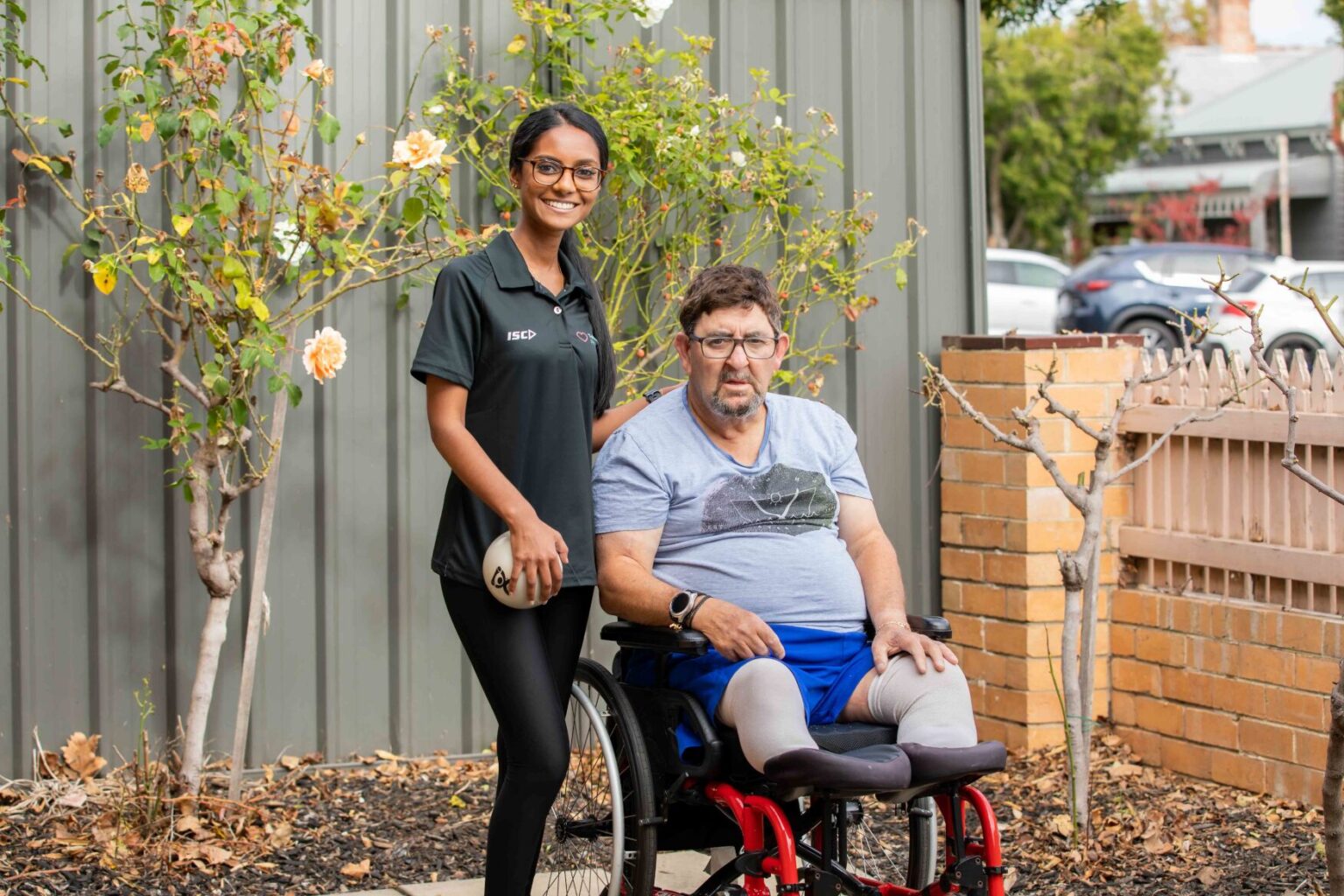
• Occupational Therapy

Ramps

Occupational Therapy support for ramp modifications that improve safe access into, out of and around the home.

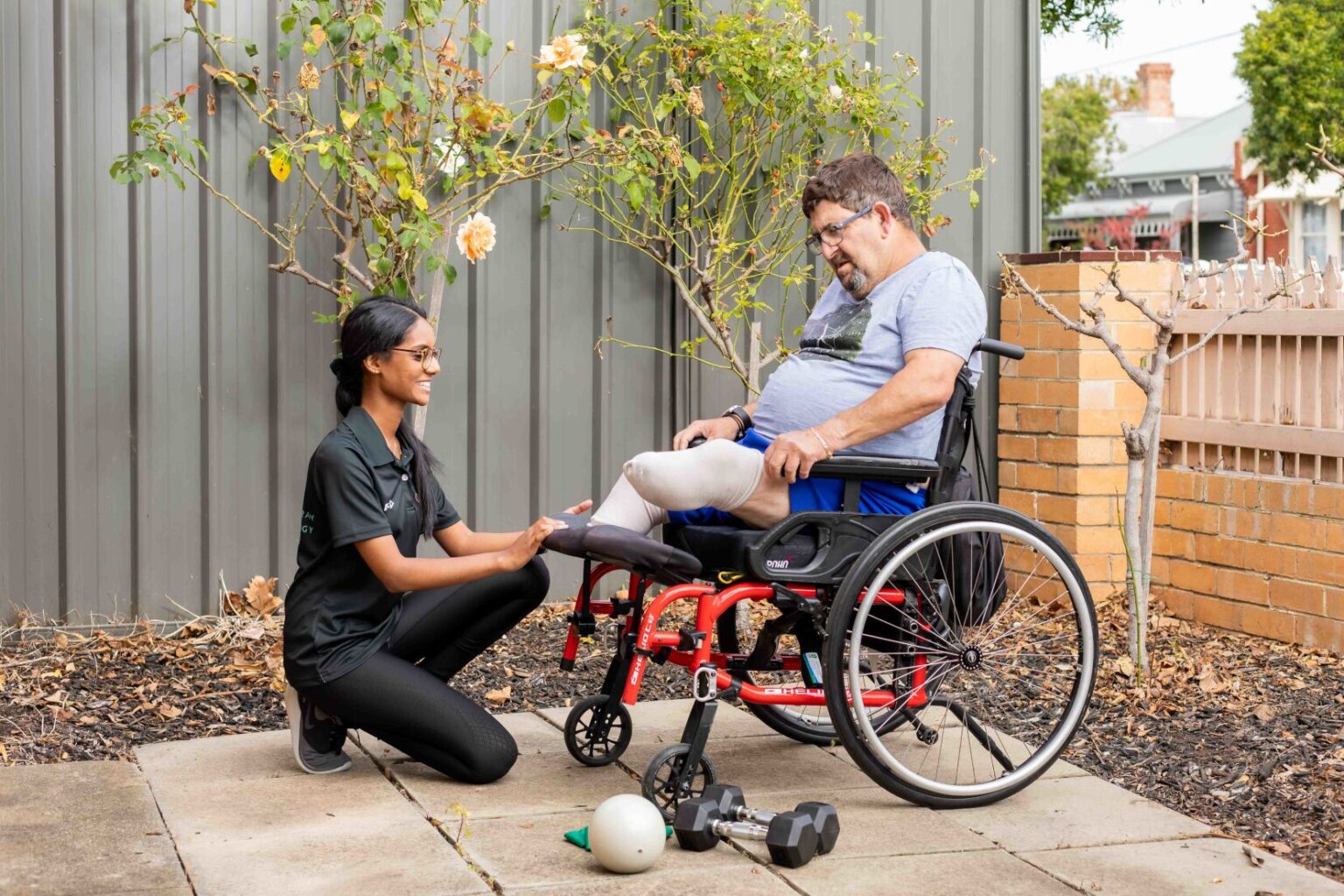
We assess mobility, the home environment and daily access needs, then work with participants, families and builders to recommend practical ramp solutions.

  • Home Modifications
  • NDIS Support
  • In-Home Assessments
  • Occupational Therapy support

Ramps as an Occupational Therapy Home Modification

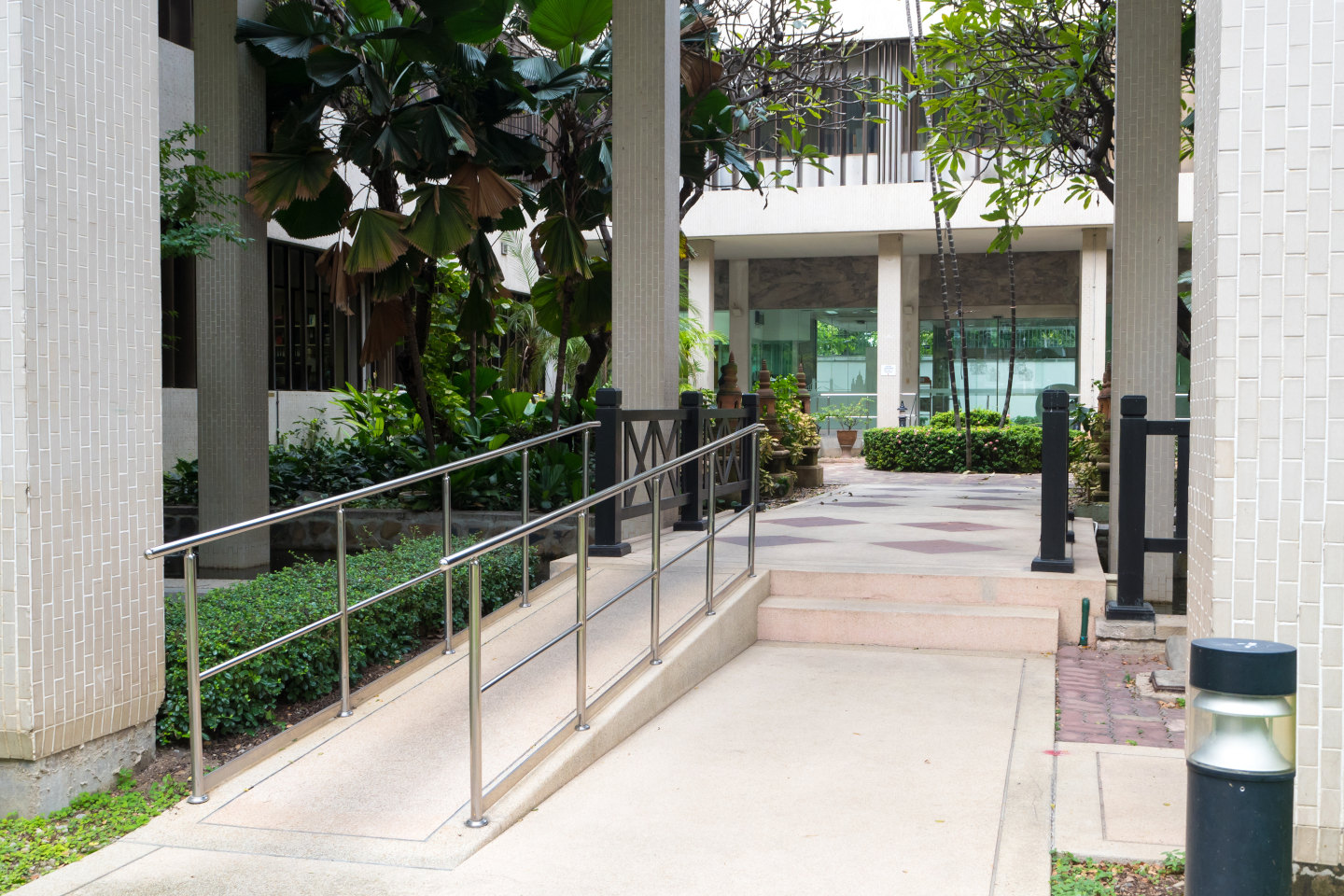
Ramps can be used in many parts of the home. They are commonly installed at front or rear entrances, though they can also be used internally where access between areas of the home is difficult.

Total Health Choice provides home-modification support to help people using mobility aids move more safely at home.

Our Occupational Therapists are mobile throughout Melbourne and complete in-home assessments to understand the person’s mobility, access needs and home environment.

Contact Us
  • Safer access and mobility

Who May Benefit From a Ramp Modification?

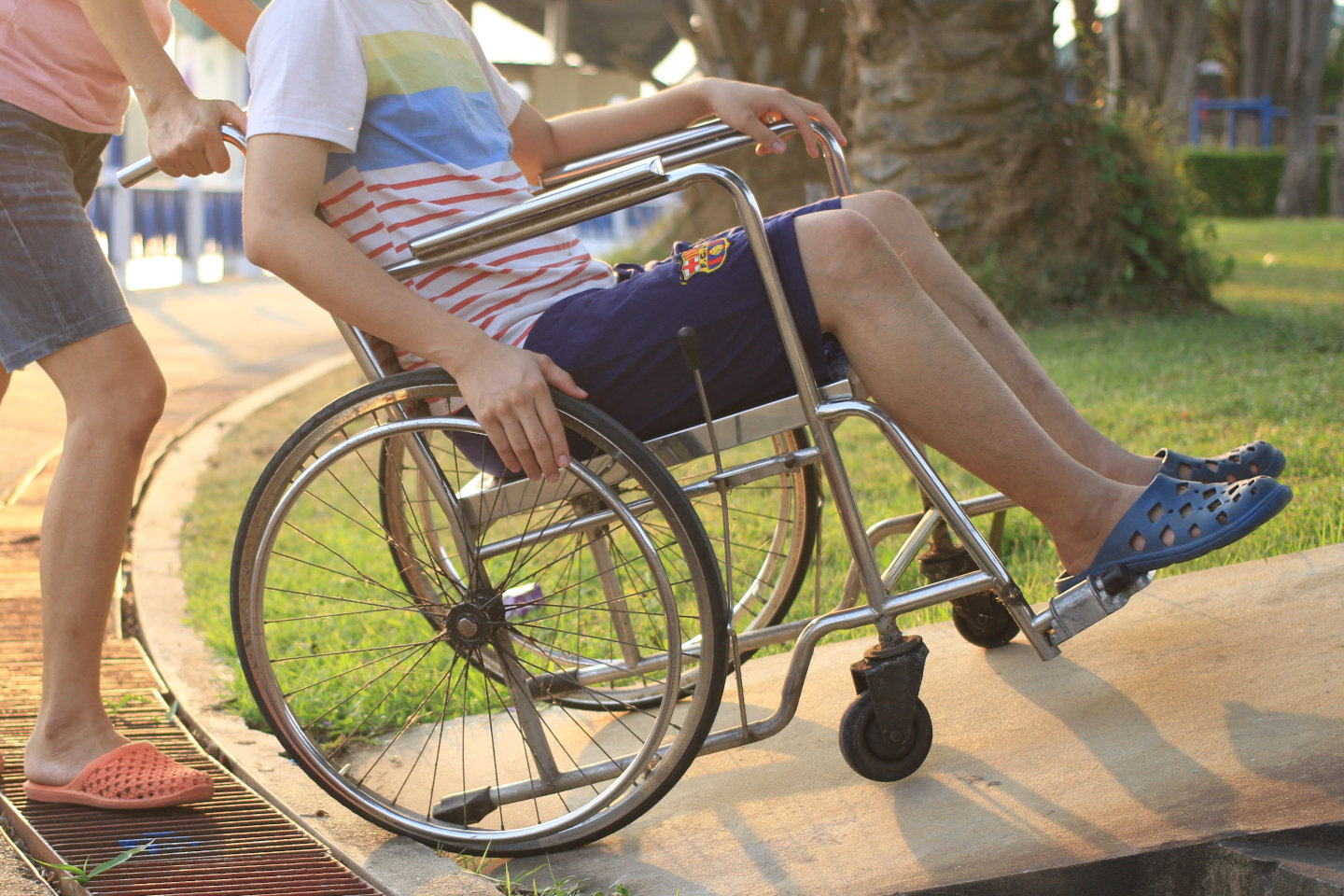
Ramp modifications may be helpful for people with an increased risk of falls or those who require wheelchair, walker or other mobility-aid access.

Common circumstances include steps at front or rear entrances, changes in level inside the home, instability while walking, a history of falls or increasing reliance on a four-wheel walker or wheelchair.

A ramp may also support people living with foot drop, Parkinson’s disease, multiple sclerosis, stroke, spinal injury or other conditions that make it difficult to safely clear steps and obstacles.

The assessment focuses on helping the person continue living safely and independently in their home.

  • Planning around everyone at home

How Are Ramps Considered in a Shared Home?

Ramps are installed in shared homes with the needs of everyone in the household considered.

In many cases, family members or carers understand that a ramp can help their loved one remain safe, independent and able to access their home using a walker or wheelchair.

Total Health Choice recognises that homes are shared spaces. Our recommendations consider the participant’s needs as well as the practical impact on family members, carers and everyday use of the property.

  • Materials and surface selection

What Materials Can a Ramp Be Made From?

Ramp materials and surfaces depend on the required size, setting and intended use.

Some ramps are pre-made and off the shelf, while others are custom built by a builder to suit the property and the person’s access needs.

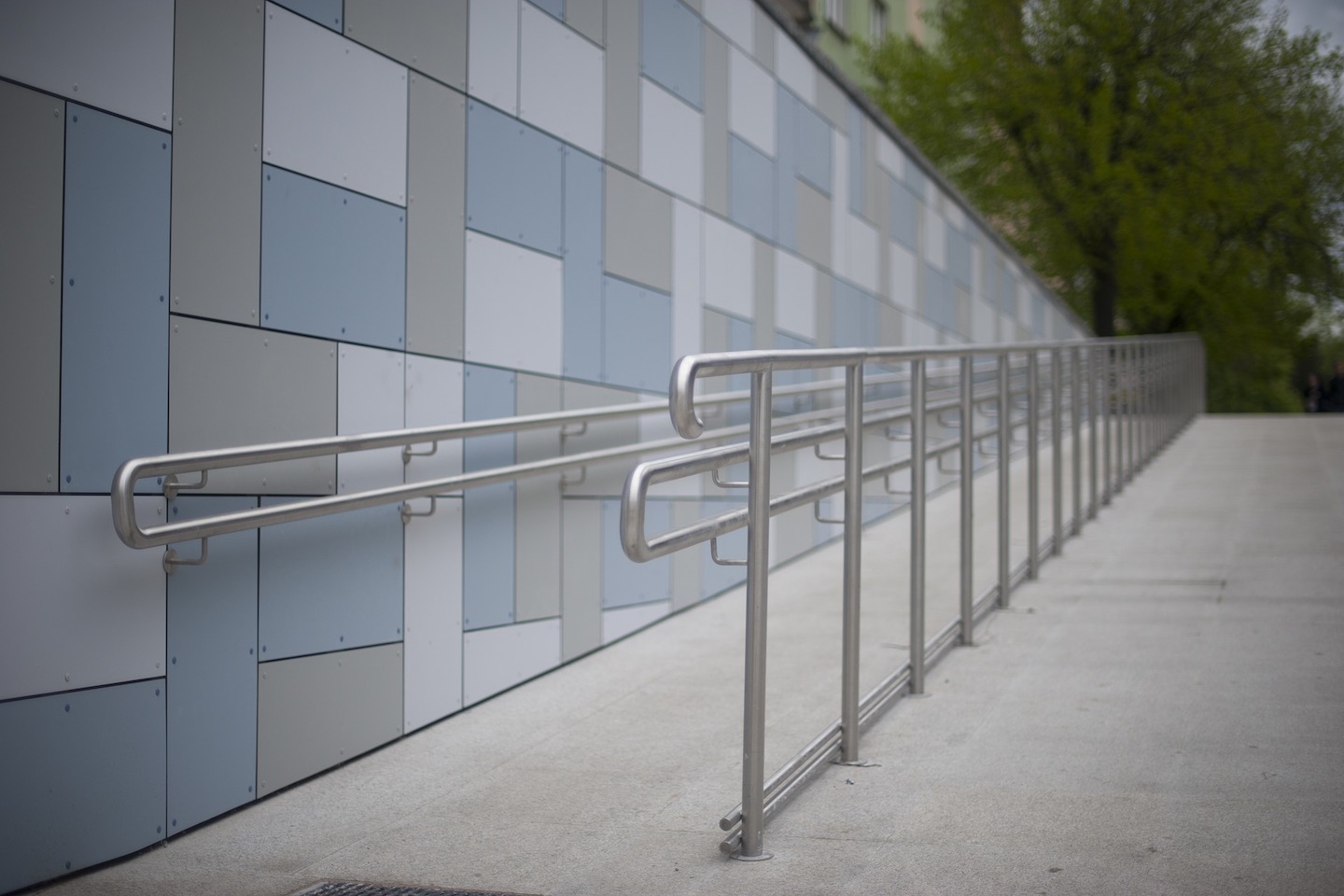
  • Steel: Often used because it is sturdy, rust resistant and may be portable or foldable.
  • Wood: Commonly used for permanent outdoor ramps, with timber posts providing structural support.
  • Surface materials: May include rubberised grip surfaces, coarse steel mesh or wooden boards depending on safety and access needs.

Some designs may also include a concrete connection between the street footpath and the beginning of the ramp.

  • Safe design and construction

Ramp Specifications

Portable ramps have a safe working load, for example 300 kilograms, depending on the specific product.

Custom ramps can be designed for different weight requirements and may be wide enough to support multiple users or two wheelchairs where appropriate.

Ramp gradients and dimensions must be considered carefully. The source guidance refers to gradients between 1:10 and 1:14. For example, where a step is 100 millimetres high and a 1:10 gradient is used, the ramp length would be approximately one metre.

Our Occupational Therapists work with relevant builders to help ensure the recommended ramp specifications are appropriate for the person and the property.

  • Choice, control and practical outcomes

Design Preferences and Building Contractors

Participants should have choice and control over how their ramp looks and functions, including preferences around colour, railing materials and other design considerations.

At the same time, the recommended design needs to remain safe and clinically appropriate for the individual. This is where Occupational Therapy assessment and builder input are important.

Preferences can be discussed with everyone involved, including reviewing builder photographs and considering what is possible within the home environment.

Funding is also a consideration. Where a ramp is safe, suitable and lower in cost, it may be more likely to be approved than a more expensive option that mainly improves aesthetics.

  • From assessment to installation

Managing Ramp Home Modification Projects

Total Health Choice can complete a full home assessment that considers access to the property, internal movement, steps, obstacles and ramps.

Our Occupational Therapists may visit the property with a builder to take measurements and discuss available ramp options with the participant.

We consider the person’s ability to manoeuvre through their environment, navigate steps and obstacles, and turn safely using their mobility aid.

Once an appropriate option is agreed, we prepare relevant reports and cost estimates, then work with the participant, NDIS and builders to manage and implement the ramp installation.

Project timeframes can vary. The source content states that many ramp projects are completed within three to 12 months, depending on the funding and construction process.

We provide regular communication throughout the project so participants remain informed.

Make a Referral
  • Home modification support

Contact Total Health Choice for Your Home Modification Needs

Total Health Choice works as a coordinated team with detailed knowledge of the NDIS and the processes involved in home-modification approval and installation.

  • Experience supporting successful approvals for high-cost and high-risk items
  • Support for related access modifications, including lifts and stair climbers
  • Practical knowledge of the home-modification process
  • Clear communication and participant-focused support

Our purpose is to make a difference in the lives of vulnerable community members through trust, compassion and care.

Contact Us
  • Ramp home modifications

Need Safer Access Into or Around Your Home?

Speak with Total Health Choice about an Occupational Therapy home assessment and ramp options suited to your access and mobility needs.

  • In-home Occupational Therapy assessments
  • Practical ramp recommendations for mobility and fall prevention
  • Support for NDIS home-modification pathways
  • Coordinated planning with builders and other providers
Make a Referral Contact Us