

• Aged care physio across Chelsea

Aged care physiotherapy and OT at home in Chelsea

Your mother has dementia and your father is doing all of it on his own.

He is eighty two. He is lifting her, showering her, getting her up when she goes down, and telling everyone on the phone that they are managing. He has not been to his own GP in a year. He has not been out for a coffee on the Chelsea foreshore since March.

The person most likely to end up in hospital in that house is him.
  • Physiotherapy
  • Occupational Therapy
  • Home Assessments
  • Assistive Equipment

What we do and where

Total Health Choice provides physiotherapy, occupational therapy, exercise physiology and speech pathology in people’s own homes in Chelsea 3196 and Chelsea Heights 3196. Podiatry and massage therapy are both coming. We also visit Bonbeach 3196, Edithvale 3196, Carrum 3197, Patterson Lakes 3197, Aspendale 3195, Mordialloc 3195 and Seaford 3198, We also go past these suburbs, usually another ten kilometres or so. If yours is not on the list, ring and ask.

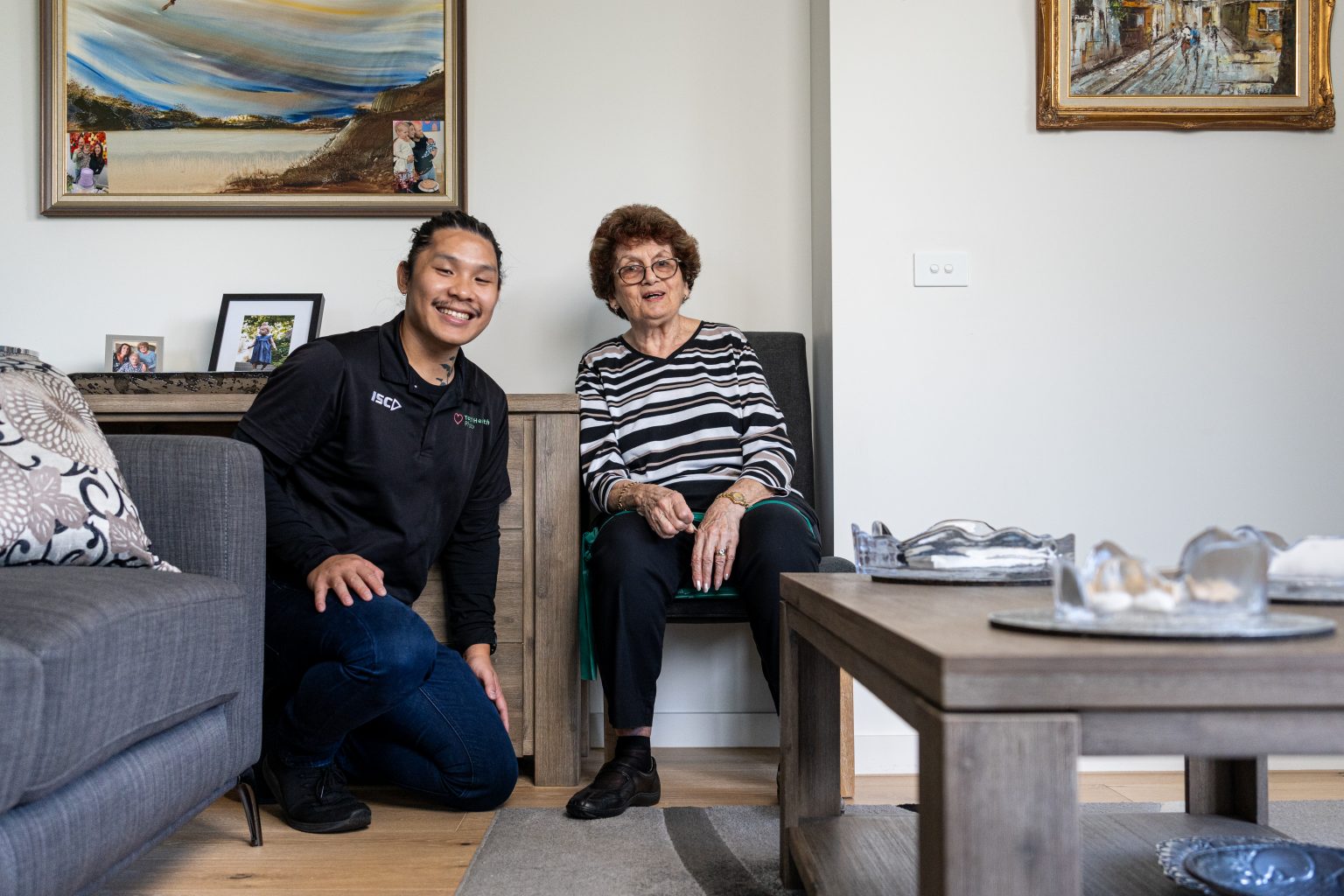
We come to the house. Private homes, retirement villages, independent living units and residential aged care homes.

Make a Referral

Dementia at home, and what we actually do

Our admin team books the visit and takes the details then, including anything the therapist needs to know about getting in. Tell them what time of day she is at her best, because with dementia that changes everything about how the visit goes. You get a text confirming the date and time.

The physiotherapist, or the exercise physiologist.

The visit runs about an hour, and we work at whatever pace she needs.

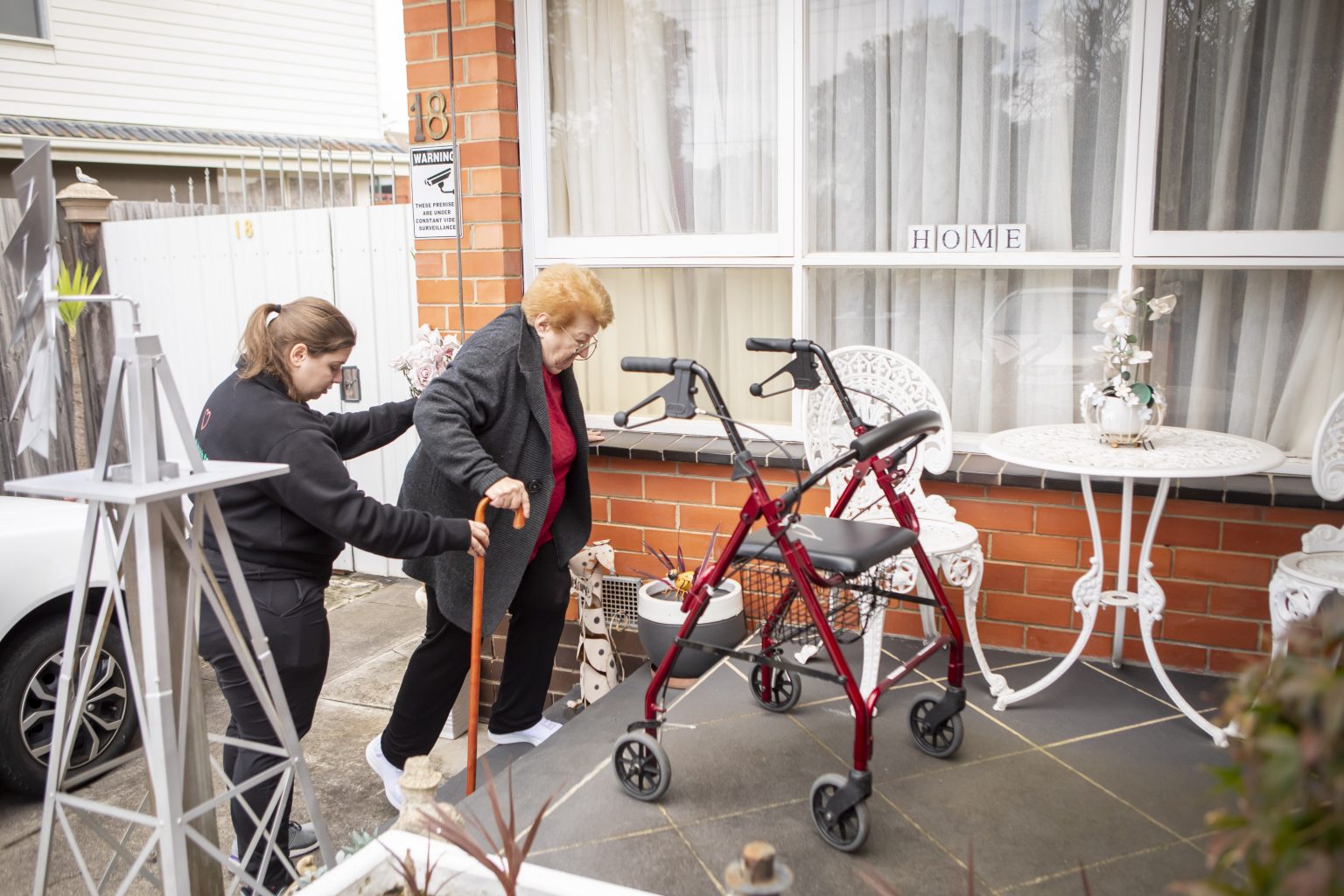
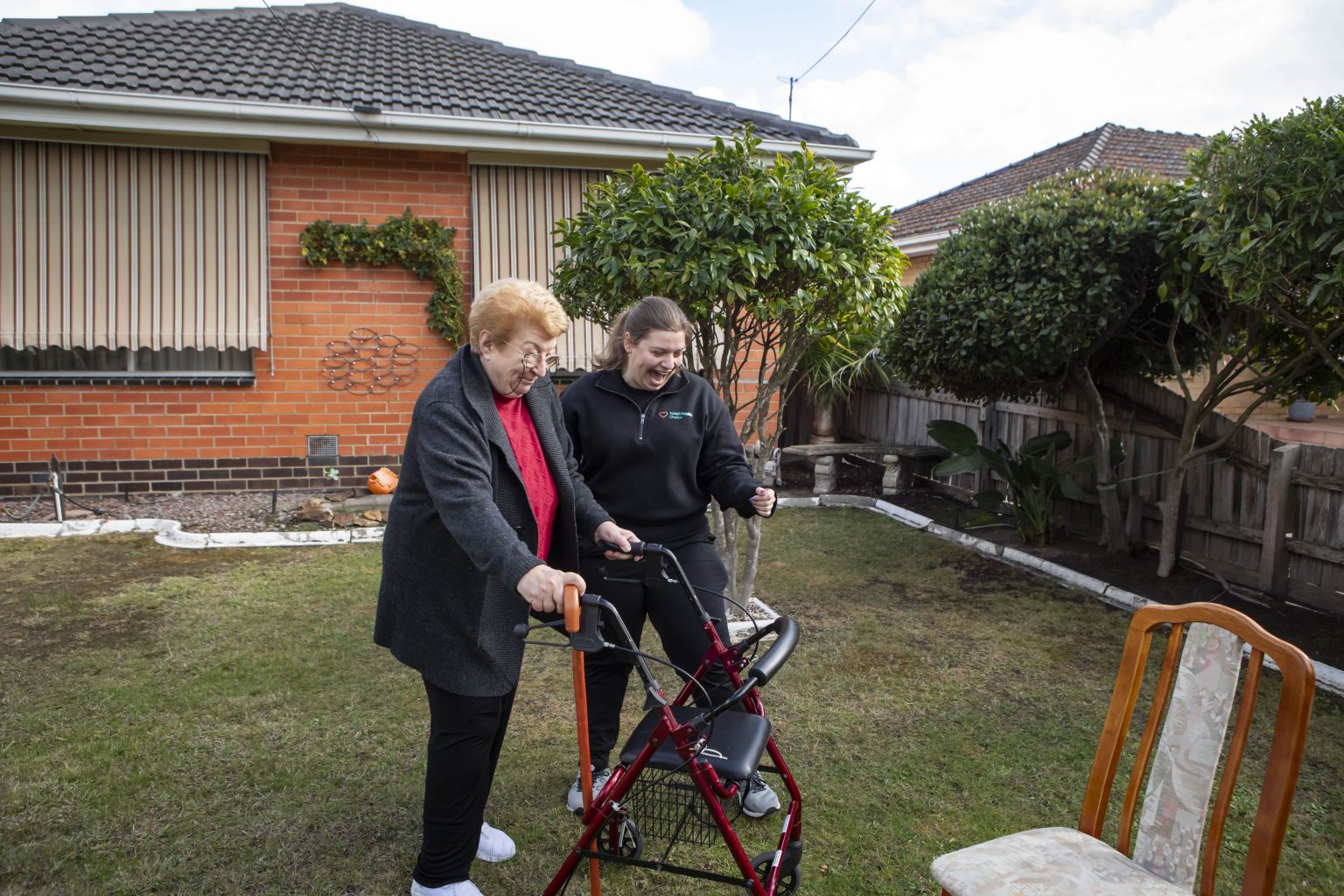
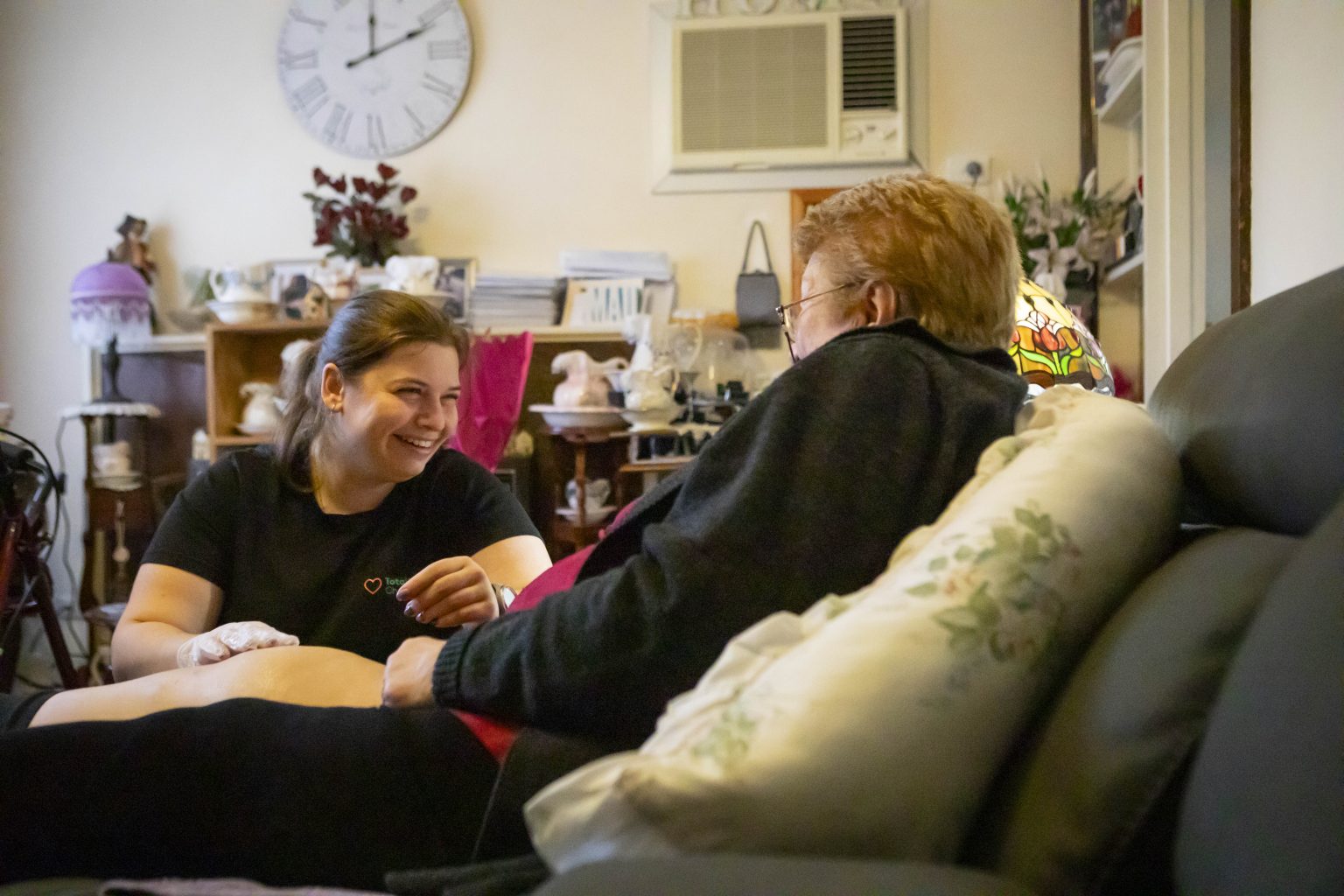
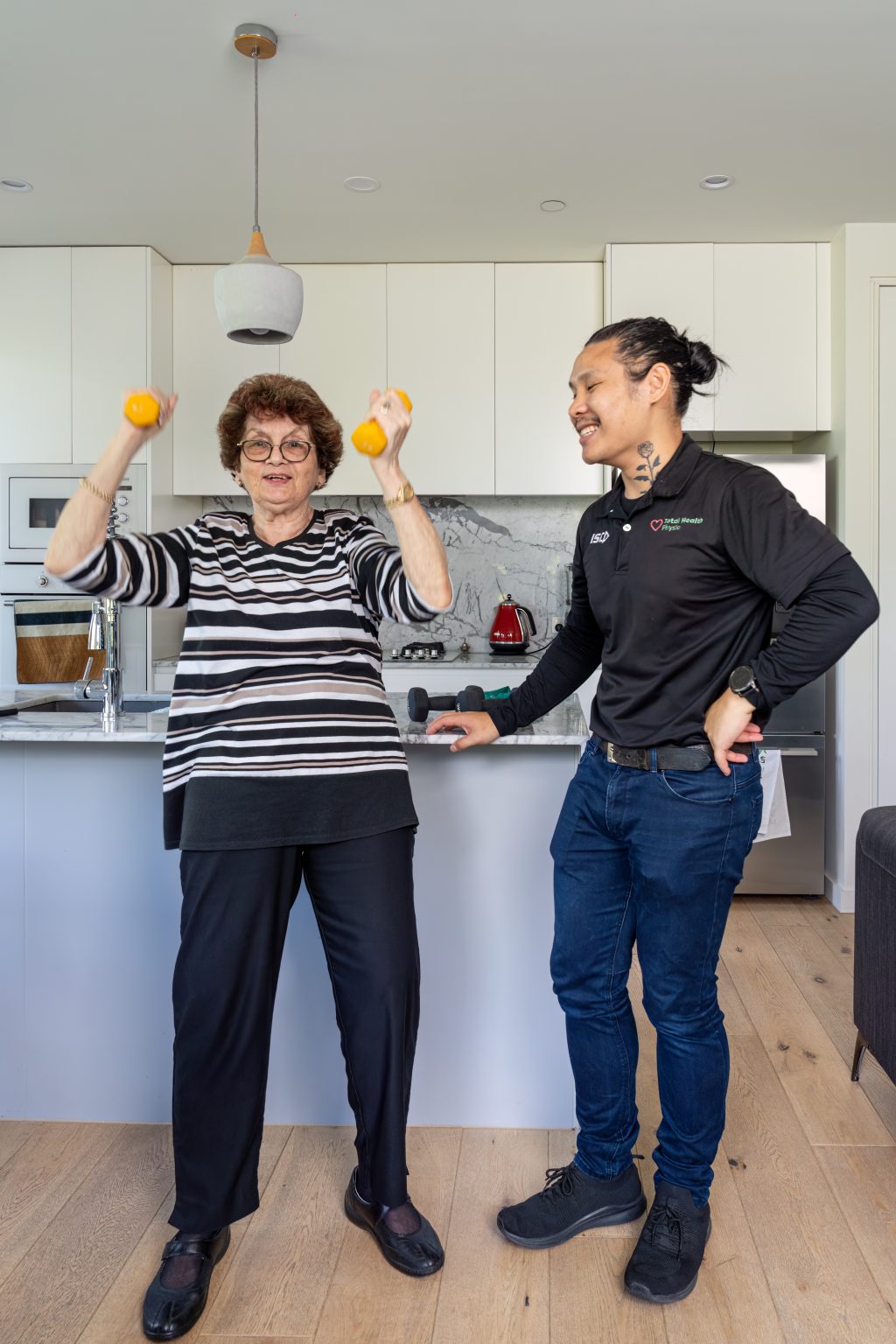
We watch, more than we test. How she gets out of the chair. Whether she is still initiating movement herself or waiting to be moved. How she manages the step into the back garden. Whether she can still follow a two step instruction, because that determines what kind of program is worth writing.

We measure what she can cooperate with. Timed Up and Go. Thirty second sit to stand. Four stage balance test. Walking speed. If she cannot do a test on the day, we write that down too, because that is information.

The occupational therapist.

The OT walks through the house with her. Contrast, which matters more with dementia than families expect. A white toilet against a white wall and a white floor is genuinely hard to see. Lighting and shadows, which get misread. Rugs that look like a step. Mirrors. The path to the toilet at night, and whether there is a light left on it.

And then we sit down with the person doing the caring, on their own if we can, and ask them how they are actually going.

The part that is about the carer

This is the half of dementia care that most providers skip, and it is the half that decides whether someone stays home.

  • Manual handling. We teach the person doing the caring how to help someone up off a chair, out of a bed and off the floor without wrecking their own back. Not a pamphlet. Hands on, in their own house, with their own furniture, until they can do it. This is a service we run for whole aged care organisations, and we bring the same thing into a private home.
  • What to do when she goes down. Most carers have never been shown, and the instinct, which is to lift, is exactly the wrong one. There is a method, it works, and it takes twenty minutes to teach.
  • Equipment that reduces the lifting. A bed rail, a transfer belt, the right chair height. An occupational therapist works out which ones and tells you what they cost before anything is ordered.
  • Getting him some help. Respite exists, and carers routinely do not use it until they are past the point of coping. We will say so, plainly, if we can see it happening.

Speech pathology, which nobody thinks to ask for

If she has stopped joining in, or the words come out wrong, or she has gone quiet in a room she used to hold court in, that is a communication problem and there is real help for it.

A speech pathologist works out what she can still follow and what she cannot, then teaches you how to talk to her so she can still answer. Shorter sentences. One question at a time. Waiting longer than feels natural before filling the silence. It sounds small, and it is the difference between someone who is withdrawing and someone who is still in the conversation.

Explore Physiotherapy

What you get in writing

The same therapist each visit, which matters more with dementia than with anything else, because a new face each fortnight means starting from nothing each fortnight.

A monthly progress report to the family with the outcome measures in it, sent out to the care team involved. With dementia the report is also the record of the decline, and having it in numbers makes the next set of decisions, about respite, about care, easier to face and easier to justify.

How it gets paid for

Ask her Support at Home provider about respite at the same time. It is in the system and it is underused.

Why Chelsea families call us

We ring back within thirty minutes on business days.

We train manual handling for a living, not as an add on, which means the carer in the house gets taught properly.

Fifty of us, mobile since 2011. 4.9 from over 200 Google reviews.

Most first visits happen within five business days. We will give you a real date on the phone rather than “we’ll be in touch”.

Every therapist who comes to the house holds a current police check and NDIS worker screening clearance. And you get the same therapist each visit, so it is not a different stranger at the door every fortnight.

Explore Occupational Therapy
  • Helpful information

Questions Chelsea families ask

Two things at once. Work with your mother so there is less to lift, and teach your father how to do the lifting there is. Then say out loud that he needs respite, which is often the thing he needs to hear from someone who is not his daughter.

She does not have to. The program gets built around the person who is there, done at the same time every day, with very few movements. Repetition and routine do the remembering.

Yes, and it is one of the first things we teach. There is a method for getting someone up off the floor safely, and we teach it hands on. Twenty minutes, in their house, with their furniture.

Yes. Chelsea 3196, Chelsea Heights 3196, Bonbeach 3196, Edithvale 3196, Carrum 3197, Patterson Lakes 3197, Aspendale 3195, Mordialloc 3195 and Seaford 3198.

Often it is partly the dementia and partly that keeping up in a conversation has got too hard, so she has stopped trying. A speech pathologist can tell you which, and can teach you and the family how to ask things in a way she can still answer.

Yes, and the goal changes. It is not recovery. It is keeping her walking, keeping her transferring, and keeping the lifting off your father for as long as possible. Every extra month she can stand up on her own is a month at home.

Through My Aged Care. It takes a while. Start privately in the meantime if you can, because the waiting is where families lose ground.

Yes. We run Function First inside residential aged care homes, so there is a reasonable chance we already work wherever she goes.


  • Talk to our team

Talk to us about Chelsea

Call 1800 847 847, or submit an enquiry with your details and we will call back within thirty minutes on a business day.

If you are the one doing the caring, say so when you ring. Half of what we do on the first visit will be for you.

On an NDIS plan instead? Our Chelsea NDIS physiotherapy and occupational therapy page is the one you want.

Contact Us Make a Referral