

• Occupational Therapy

Lighting Home Modifications

Lighting plays an important role in creating safer, more comfortable and accessible homes.

Total Health Choice Occupational Therapists can assess lighting needs and recommend practical modifications for individual and shared home environments.

  • NDIS Registered
  • In-Home Assessments
  • Home Modification Support
  • Occupational Therapy support

Improved Lighting: Enhancing Safety in Homes

Lighting plays a crucial role in creating safe and comfortable living spaces, especially for people living with disability or those who require extra care.

Appropriate lighting can reduce the risk of accidents and improve quality of life. Occupational Therapy recommendations may consider light switches, placement, accessibility and automation.

Total Health Choice Occupational Therapists can assess and prescribe appropriate lighting in individual and shared home environments.
Make an Enquiry
  • Home safety and comfort

The Importance of Proper Lighting

Before looking at specific modifications, it is important to understand how lighting can support safety, comfort and participation in everyday activities.

  • Reducing falls and accidents: Adequate lighting can make obstacles, level changes and steps easier to see.
  • Enhancing mood and wellbeing: Natural and artificial light can influence mood and overall mental health.
  • Aiding daily tasks: Appropriate lighting supports activities such as reading, cooking and personal care.

Total Health Choice conducts comprehensive home assessments that consider health needs, daily routines and the home environment.

  • Accessible controls

Types of Light Switches

Selecting the right type of light switch can improve accessibility and ease of use. Total Health Choice can prescribe and recommend options based on the person’s needs, goals and home environment.

  • Rocker switches: Easy to operate with fingers, the back of the hand or an elbow, which may suit people with reduced hand strength.
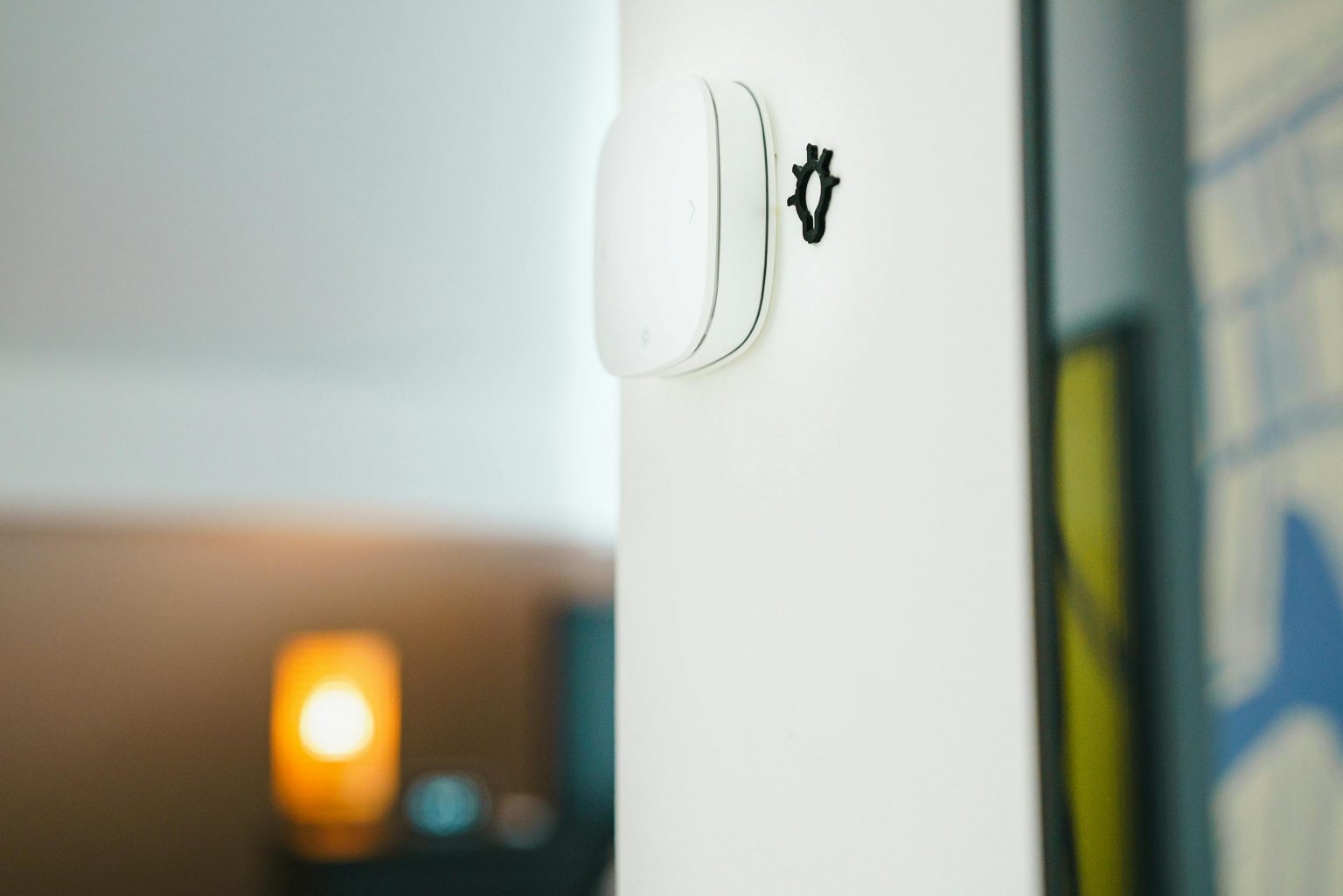
  • Motion sensor switches: Turn lights on or off based on movement and may be useful in bathrooms, hallways and entry areas.
  • Touch switches: Respond to a light touch and may be useful for people with arthritis or reduced dexterity.
  • Rotary dimmers: Allow control over light intensity, though they may be challenging for some people with limited hand mobility.
  • Traditional switches: Common toggle or flip switches that can require precision, dexterity and visual identification.

Each switch type has advantages and considerations. The right choice depends on the individual’s circumstances and preferences.

  • Accessible home design

Placement and Accessibility

The placement of light switches can be as important as the switch type. Recommendations may take relevant accessibility standards into account, as well as the person’s specific reach, mobility and visual needs.

  • Height and reach: Light switches may be positioned to support both standing and seated users.
  • Location: Useful locations can include beside the bed, at both ends of a hallway and near entrances.
  • Contrasting colours: Switches can contrast with surrounding walls to improve visibility.
  • Placement near doorways: Switches can be positioned within reach of door handles to assist when entering or leaving a room.
  • Proximity to corners: Avoiding difficult-to-reach corners can support easier access.

Total Health Choice senior Occupational Therapists can assess lighting layout and accessibility within the broader home environment.

  • Convenience and independence

Lighting Automation

Lighting automation can provide another level of convenience, safety and independence.

  • Remote control: Lights can be managed through a smartphone or remote control, which may assist people with mobility limitations.
  • Programmable settings: Automated systems can adjust lighting at different times of day to support comfort and reduce unnecessary energy use.
  • Voice activation: Voice-controlled systems can assist people with mobility or visual impairments.
  • Sensors: Motion, occupancy and light sensors can provide practical automatic control in suitable areas of the home.

Automation can improve accessibility while reducing the need to reach, move through dark areas or manually operate switches.

  • Individualised recommendations

Lighting for People Living with a Disability

Lighting needs can vary considerably for people living with disability. Occupational Therapy recommendations consider the person’s functional needs, home layout and daily activities.

  • Reducing glare: Matte finishes and diffused lighting can assist where glare affects vision or comfort.
  • Task lighting: Adjustable lighting can support specific activities such as reading, cooking and personal care.
  • Night lights: Lighting in hallways and bathrooms can support safer movement during the night.

By addressing individual lighting needs, homes can become safer, more accessible and more supportive of independence.

Make a Referral
  • Lighting home modifications

Need Support With Lighting Home Modifications?

Speak with Total Health Choice about Occupational Therapy assessment, practical lighting recommendations and assistive solutions for your home.

  • In-home Occupational Therapy assessments
  • Accessible light switch and lighting recommendations
  • Support for NDIS, aged care and private clients
  • Practical planning for safer daily routines
Make an Enquiry Make a Referral