

• Occupational Therapy

Home Accessibility

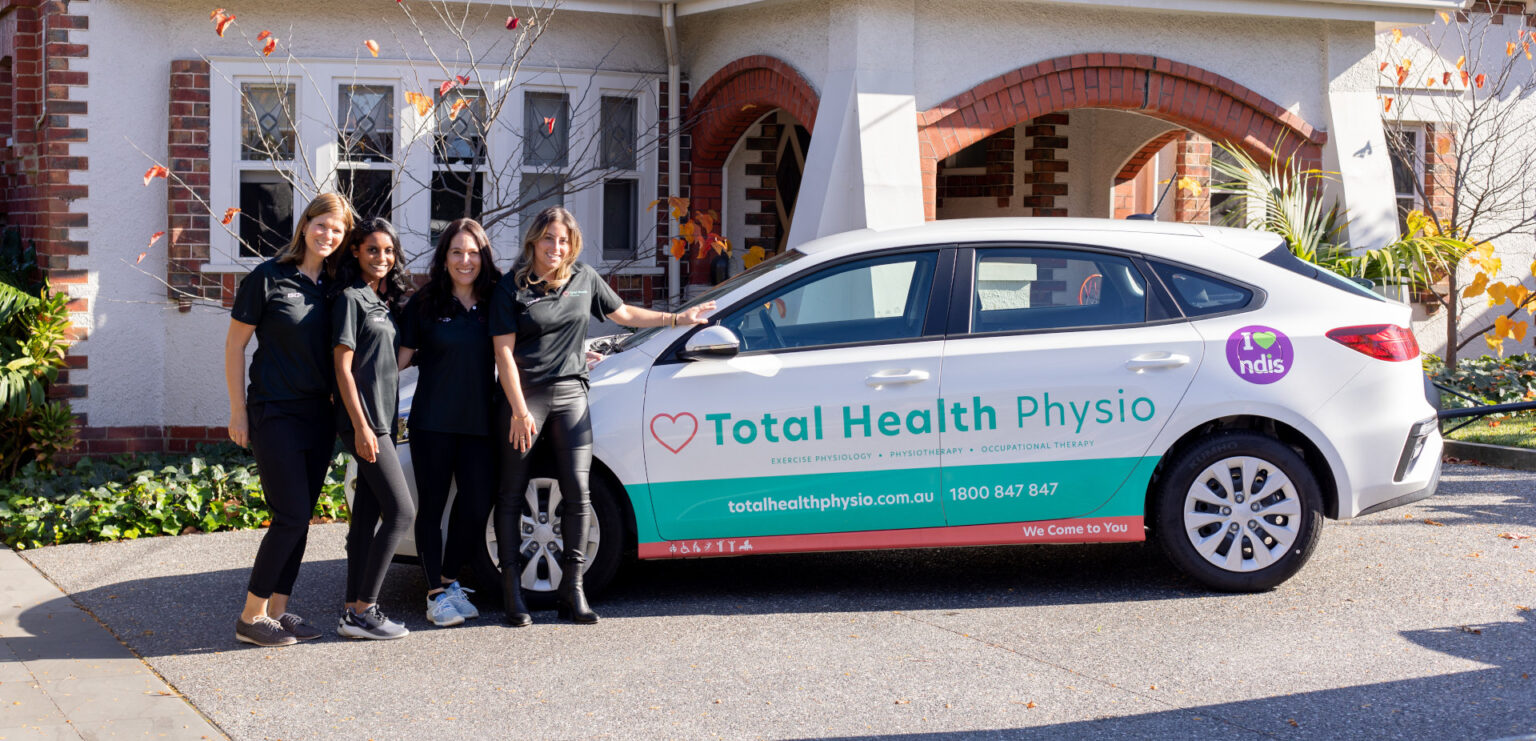
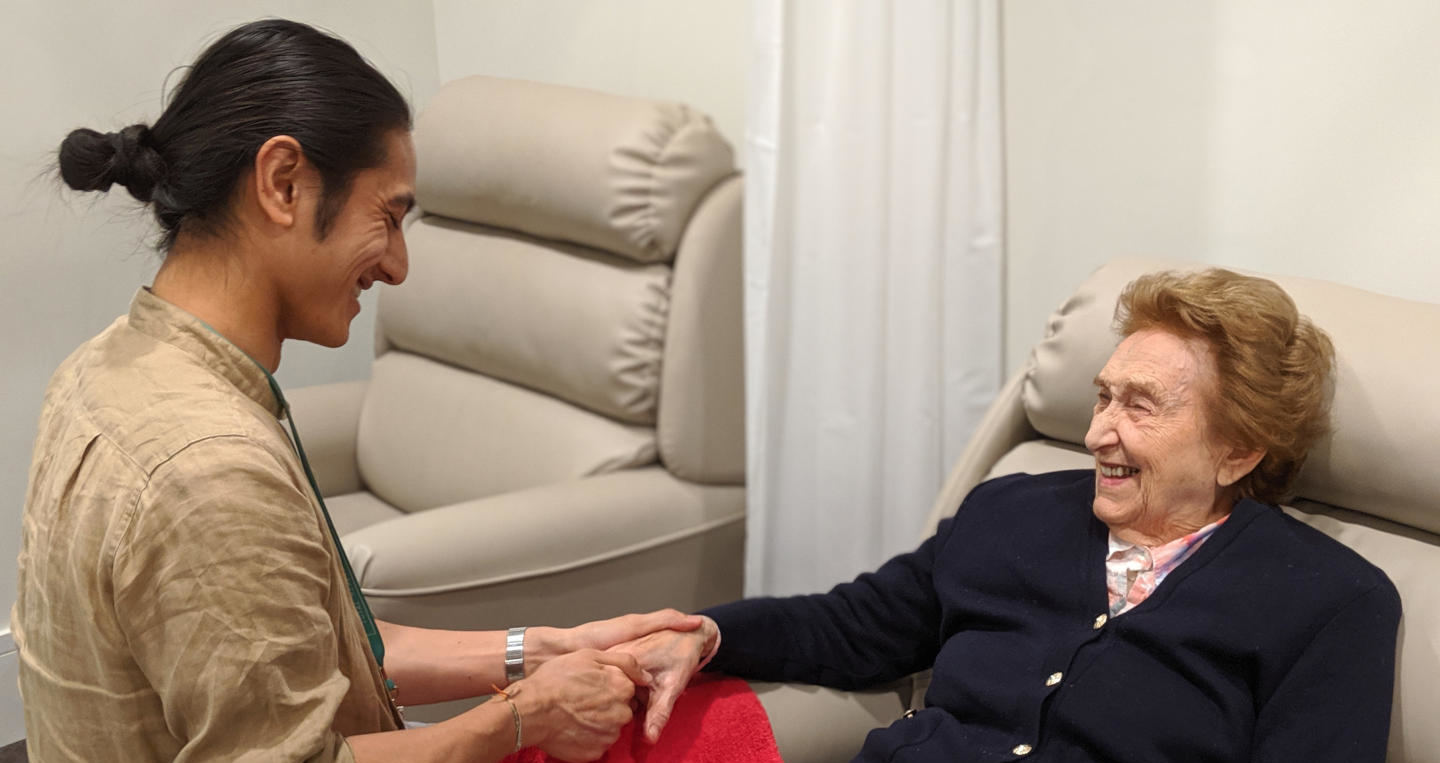
Our caring Occupational Therapy team can visit you at home to assess mobility and better understand the difficulties you may experience navigating rooms, entrances and surfaces.

We discuss your goals and develop a practical plan to make your home more accessible.
  • NDIS Registered
  • Mobile Assessments
  • Home Safety Support
  • In-home Occupational Therapy support

Home Accessibility

Our caring Occupational Therapy team at Total Health Choice are available to visit patients at home to assess their level of mobility and better understand the difficulties they face navigating rooms and surfaces within their homes.

Our compassionate services are delivered on a mobile basis throughout Victoria.

We will discuss goals and develop a plan of action to make the home more accessible.

Contact Us
  • Home safety and independent living

Who Is Eligible to Receive a Home Accessibility Assessment?

Anyone who experiences difficulty accessing any part of their home may benefit from an assessment with an Occupational Therapist.

We commonly work with NDIS participants, home care package holders and private-paying patients.

Occupational Therapists are trained to identify ways to improve living conditions, reduce the risk of falls and support independent living.

  • Care that supports everyday independence

Why Should I Choose Total Health Choice?

The goal of Occupational Therapy is to improve quality of life and help people live comfortably and independently at home for as long as possible.

With this in mind, our Occupational Therapists at Total Health Choice go out of their way to improve living conditions and support patients in every way we can.

Contact Us
  • Home accessibility questions

Frequently Asked Questions

Assistive technology can be purchased to assist individuals who are deaf or hard of hearing. One option is a vibrating mechanism that connects to a phone so that when someone rings the doorbell, the phone vibrates to signal that there is someone at the door.

To provide a better sense of security and peace of mind, we would consider installing video cameras or a video camera doorbell.

This can show you who is outside and record activity taking place at your doorstep.

The right approach to help patients find the light switch will depend on their specific condition.

For individuals who are legally blind, we would consider adding tactile dots on each light switch. For those who are otherwise visually impaired, adding stickers with bright colours around the switch could be the right solution.

Assistive technology is available in the form of a key turner, which is an extension added onto a key to assist with opening the door.

The extension can also make an individual key easier to identify on a key ring.

One option is to add a non-slip base on the stairs or non-slip strips on the edges.

This can help with traction as you ascend or descend. High-visibility strips can be added so that you are able to see the steps more easily.

Lights can also be installed on floors in a way that does not impact accessibility.

If you are having difficulty accessing your garage, a home assessment would need to be completed to better understand the circumstances.

If a wheelchair has just been prescribed, for example, a wider door may be needed to access the garage or other parts of the home.

It is recommended that doorways be approximately 850 millimetres wide for a wheelchair user. However, this is not always possible due to the specific structure or layout of the house. In those instances, we could look at the wheelchair itself and see whether there is a better option to improve accessibility within the home.

There are multiple ways that doorway access can be altered for wheelchair use or other mobility needs.

We may recommend modifying the structure of the door or something as simple as changing the door handles. We may consider changing the type of door. For example, a hinged door can be swapped to a sliding cavity door to allow more room through the doorway.

Automation can also be installed to allow for remote-control door access.

During the initial assessment, we will discuss the areas of your home where you are experiencing difficulties.

Once we understand your condition, the Occupational Therapist will review the home environment with particular attention to bathroom areas and accessibility concerns such as internal steps.

We are also happy to review any specific concerns you would like us to examine.

  • Home accessibility support

Looking to Make Your Home Easier and Safer to Navigate?

Speak with Total Health Choice about a home accessibility assessment and practical recommendations to support everyday independence.

  • Mobile Occupational Therapy assessments
  • Support for NDIS, home care and private clients
  • Practical recommendations based on your home and goals
  • Support for safer movement and reduced fall risk
Make a Referral Contact Us