

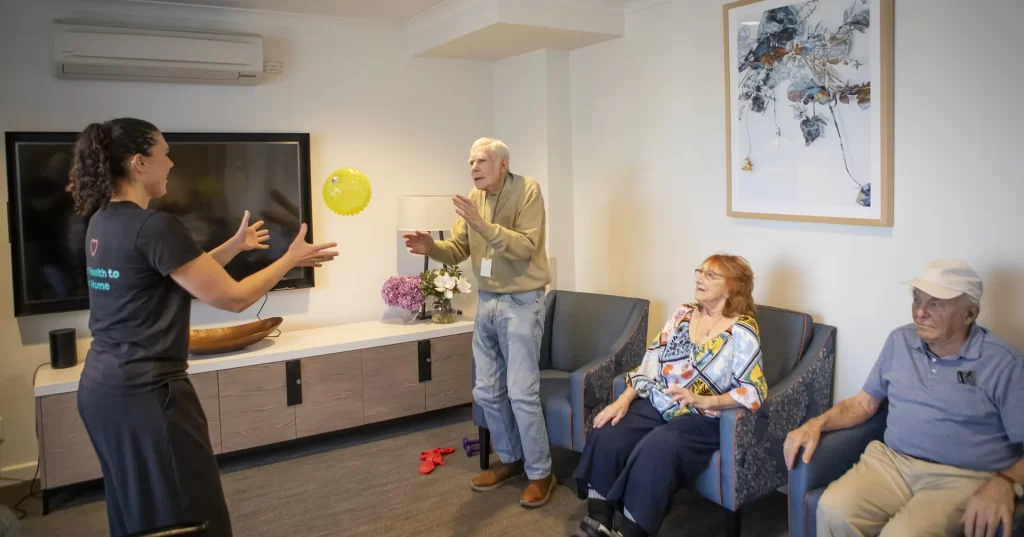
Somewhere along the way, “be careful” became one of the most common pieces of advice given to older Australians. It comes from adult children worried about their parents. It comes from well-meaning friends. Sometimes it comes from health professionals themselves, offered as caution rather than actual guidance. And it usually has the opposite effect to the one intended.
Fear of falling is one of the most under-recognised drivers of decline in older age, and one of the least talked about outside allied health circles. It doesn’t show up on a scan. It’s rarely the presenting complaint at a GP appointment. But once it takes hold, it can do more damage to someone’s independence than the fall itself ever did.
When protecting someone makes them more fragile
Here’s the pattern we see again and again working with older clients: someone has a fall, or a near-miss, or simply starts to feel unsteady. Understandably, they become more cautious. They stop taking the walk they used to do most mornings. They stop going outside to do the gardening. They ask to be driven rather than walk to the shops. Family members, often with the best intentions, reinforce this: “Don’t push yourself.” “Let us do that for you.” “Maybe just stay seated, it’s safer.”
Each of these decisions feels sensible in isolation. Together, they add up to a person doing less, moving less and relying on others more. And that’s precisely the pathway to becoming more likely to fall, not less. Muscle strength declines quickly with inactivity in older age. Balance is a use-it-or-lose-it system. Confidence and physical capability feed each other in both directions, and once someone stops trusting their own body, they stop giving it the very stimulus it needs to stay capable.
This is the paradox at the centre of a lot of well-intentioned falls prevention advice: caution offered without a plan to rebuild strength and confidence doesn’t reduce risk. It often increases it, just more slowly and less visibly than a fall would.
Fear of falling is not the same as being at risk of falling
These get conflated constantly, and the distinction matters. Some people who are genuinely at high risk of falling have very little fear, and go on doing everything they used to do, which carries its own dangers. But it’s just as common, arguably more common in my experience, to see someone whose fear has become completely disconnected from their actual physical capability. Someone can be strong enough to safely walk to the letterbox and back, with good balance and no red flags on assessment, and still refuse to do it because the fear itself has become the barrier.
Treating these two groups the same way, either with blanket reassurance or blanket caution, misses what each person actually needs. The confident person with real risk needs an honest conversation and a plan. The fearful person with manageable risk needs their confidence rebuilt, not their caution reinforced.
Reassurance isn’t the same as treatment
“Don’t worry, you’ll be fine” is not a falls prevention strategy, and neither is “just be careful.” Both leave the person exactly where they started: uncertain of their own ability, without a concrete pathway back to trusting it.
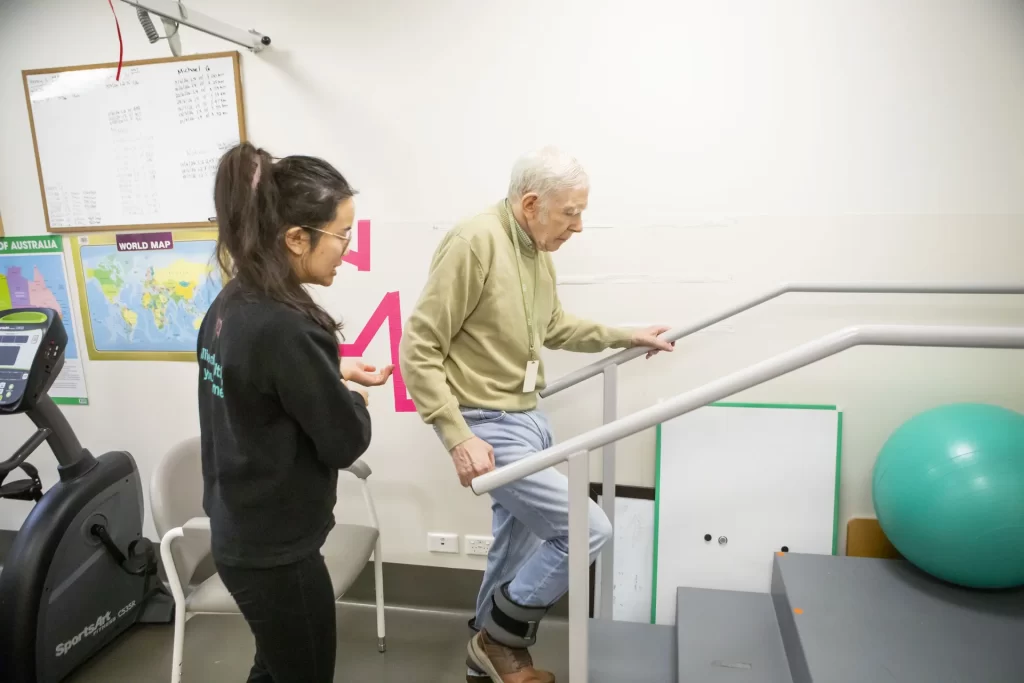
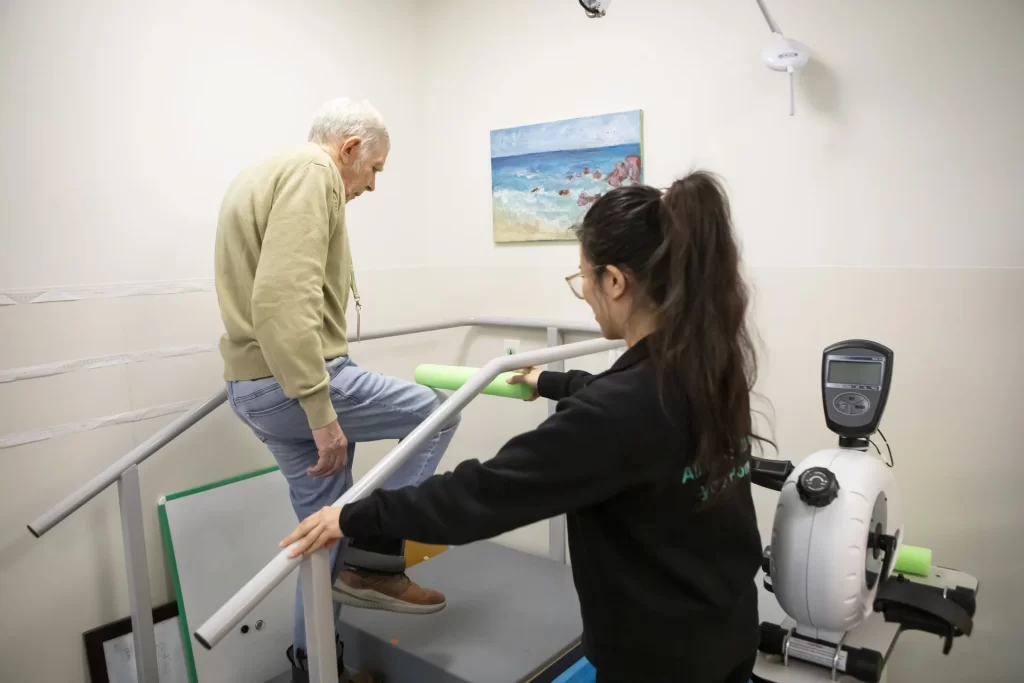
What actually works looks more deliberate. Graded exposure to the activities someone has become afraid of, done safely and with support, so they can rebuild real evidence that they’re capable, not just reassurance that they should feel capable. Balance and strength programs that are specific enough to make measurable progress visible to the person doing them, because seeing yourself get stronger is often more persuasive than being told you’re doing well. And a level of honesty about risk that doesn’t tip into fear-based language, because “you could break a hip” tends to produce avoidance, not caution.
This is where allied health has a genuinely distinct role to play, one that sits between the physical and the psychological. It’s not just about testing balance and prescribing exercises. It’s about understanding that someone’s activity levels are shaped as much by what they believe about their own body as by what their body can actually do, and treating both.
The family conversation nobody has
A lot of the reinforcement of fear of falling happens outside clinical settings entirely, in the well-meaning conversations families have at home. Adult children, often juggling their own worry about a parent, default to encouraging less activity because it feels like the safer, more caring option. It rarely occurs to anyone that this instinct might be quietly accelerating the exact decline they’re trying to prevent.
Part of the work in this space is helping families understand that the goal isn’t zero risk. Zero risk isn’t achievable, and chasing it usually costs someone their independence long before it prevents a fall. The goal is calibrated risk: enough activity and challenge to maintain strength, balance and confidence, with the right supports in place to manage what genuine risk remains.
Confidence deserves to be treated like a clinical outcome
We measure grip strength, gait speed and balance scores as a matter of routine. Confidence rarely gets the same treatment, even though it’s arguably just as predictive of what someone will actually do day to day. Someone can test well on every physical measure and still spend their days in a chair because they no longer trust themselves to get up from it safely.
If we’re serious about falls prevention, fear of falling can’t stay a footnote. It deserves the same deliberate, measured, and monitored approach we’d give to any other modifiable risk factor, because in a real sense, that’s exactly what it is.
Worried about a parent who has stopped doing things since a fall? A physiotherapist or exercise physiologist can assess their strength and balance and work out a safe way back to the activities they care about.
This article is general information, not personal medical advice. If you or someone you care for has had a fall, speak to your GP or physiotherapist.
