

Sensory profiling is the process of understanding how a person responds to everyday sights, sounds, textures and movement.
A sensory profile assessment gives you a clear picture of these responses so life feels safer, calmer and more predictable. It helps reduce stress, improve comfort and support confident participation in daily activities.
Our Occupational Therapists use sensory profiling to understand how you react to your environment. This insight allows us to create simple, practical strategies that improve emotional regulation, independence and overall wellbeing. A sensory processing assessment is especially valuable in paediatrics, for NDIS participants and people living with sensory or neurological challenges.
Total Health Choice provides an elite occupational therapy sensory assessment delivered by experienced and compassionate therapists. We offer individualised support for adults, teenagers and kids across Melbourne. Our mobile team makes it easy to access care that builds comfort, safety and confidence.
Contact us to get started.
Contact UsSensory Profiling Video
Who Requires Sensory Profiling?
Sensory Profiling is most commonly accessed by people living with neurological disorders, notably autism and cases of mental illness.
Sensory profiling identifies the patterns which may be contributing to a person’s barriers or performance in their daily life.
An example may be for someone who feels fatigue or discomfort in a busy room, then relief from this sensation when they enter a quiet, isolated room.
Sensory profiling takes into account all environments, such as home, work, school, university, transport or in the general community.
An Occupational Therapist would attend the locations of concern, to ideally, help that person establish strategies to help them in those situations.


When to Consider Sensory Profiling
A sensory profile assessment is helpful when sensory experiences affect comfort, behaviour or daily routines. You may consider a sensory assessment when someone:
- Feels overwhelmed in busy or noisy places. A sensory processing assessment helps identify triggers and build strategies that improve confidence and calm.
- Struggles with daily tasks. Activities such as showering, dressing or eating may feel difficult when sensations are hard to tolerate. An occupational therapy sensory assessment helps clarify why and offers practical support.
- Shows strong reactions to certain sounds, textures or movements. Sensory profiling helps explain these responses and guides small changes that make life easier.
- Has trouble with emotional regulation. Understanding sensory patterns can reduce stress and support steadier routines.
- Finds participation at home, school or in the community challenging. A sensory assessment helps improve engagement in meaningful activities. It is often used alongside NDIS occupational therapy to support progress.
A sensory profile assessment is a simple way to understand these patterns and create strategies that support safety, comfort and independence.
What Happens During Sensory Profiling?
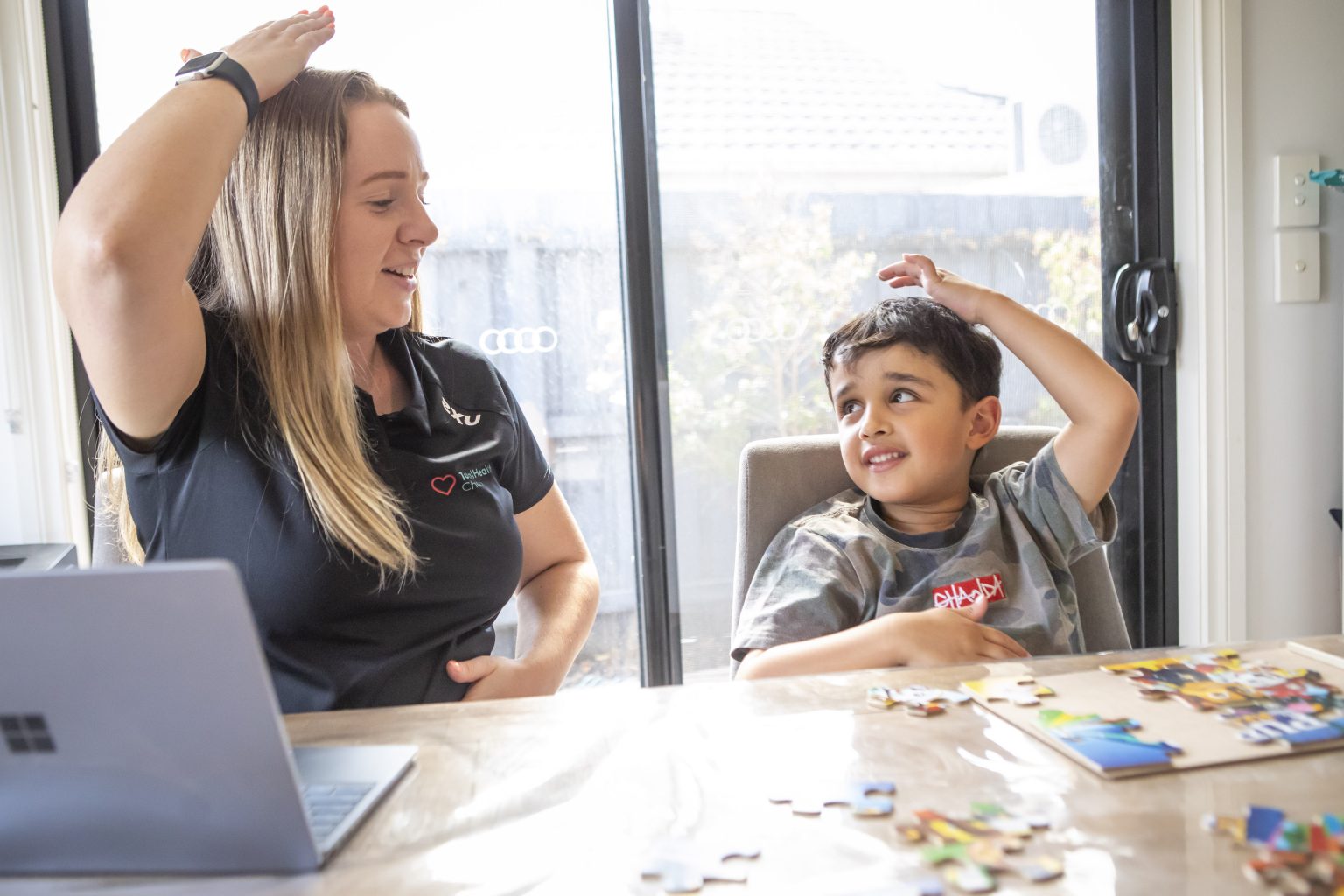
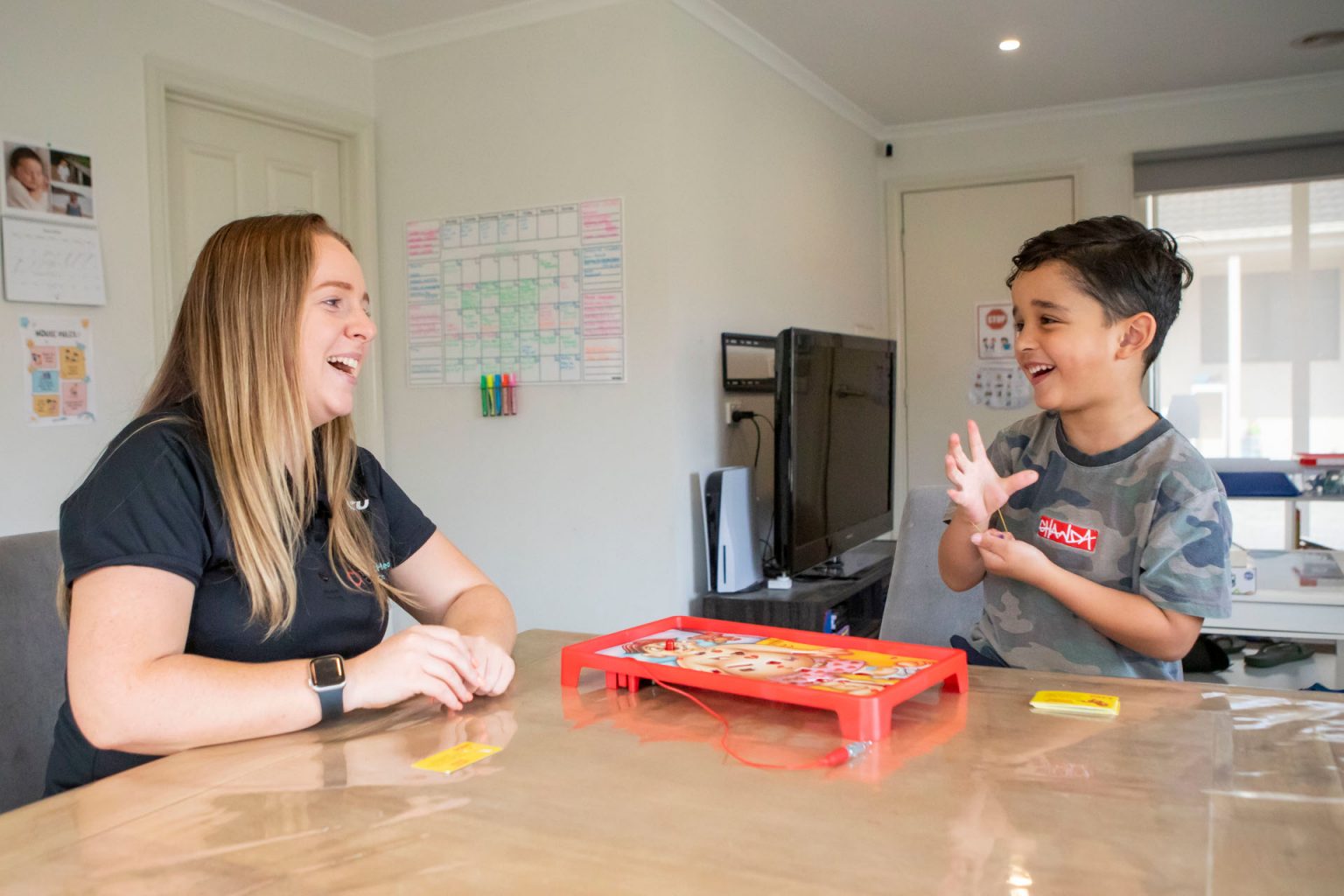
A clinician will visit your home or other location at a mutually beneficial time.
We will ask you a series of questions that assess a person’s sensory profiling patterns.
What are examples of questions in the Sensory Profile Assessment?
- I enjoy being close to people who wear perfume – true/false
- I trip or bump into things – true/false
- I like to go to places that have bright lights and that are colourful – true/false
- I don’t like particular food textures – true/false
- I avoid going to unfamiliar places or being around people I don’t know – true/false
- I have to ask people to repeat things – true/false


Who We Work With
Total Health Choice is a compassionate mobile healthcare provider in South-East Melbourne, Victoria. We visit people in their homes, however particularly for sensory profiling, our sessions may be out in the community together.
Our caring services can be accessed by NDIS participants who are self or plan-managing their NDIS plan.
Please contact us if you are not an NDIS participant and would like to enquire about this service.
The Benefits of Sensory Profiling for NDIS Participants
A sensory profile assessment helps you understand how sensory experiences shape comfort, behaviour and daily participation. Our occupational therapy sensory assessment gives you clear insight and practical strategies that make life easier.
Gain personal insight.
A sensory assessment highlights your sensory preferences and challenges so you can advocate for your needs with confidence.
Improve daily comfort.
A sensory processing assessment guides simple changes to routines and environments that make home and community settings feel calmer and more predictable.
Enhance participation.
Understanding sensory triggers helps you take part in daily activities with more confidence. It can support bigger goals such as completing an independent living skills assessment.
Strengthen communication.
A sensory profile gives families, support workers and therapists a shared language for discussing sensory needs, which improves teamwork and understanding.
Support early intervention.
Identifying sensory patterns early allows for timely adjustments that prevent overwhelm and reduce future challenges.
A sensory profile assessment is a practical step toward greater comfort, confidence and independence.

Identifying Sensory Issues Through Profiling
Our amazing OTs can uncover a wide range of sensory processing patterns through Sensory Profiling, including:
- Hyper-responsivity (over-sensitivity) to sensory input
- Hypo-responsivity (under-sensitivity) to sensory stimuli
- Sensory seeking behaviours
- Poor sensory discrimination
- Difficulties with sensory integration
- Challenges in motor planning and execution
These patterns can manifest in various ways, from sensitivity to certain textures or sounds to difficulties with balance or body awareness. Our mobile service allows us to observe these patterns in real-life contexts.


Why Choose Total Health Choice
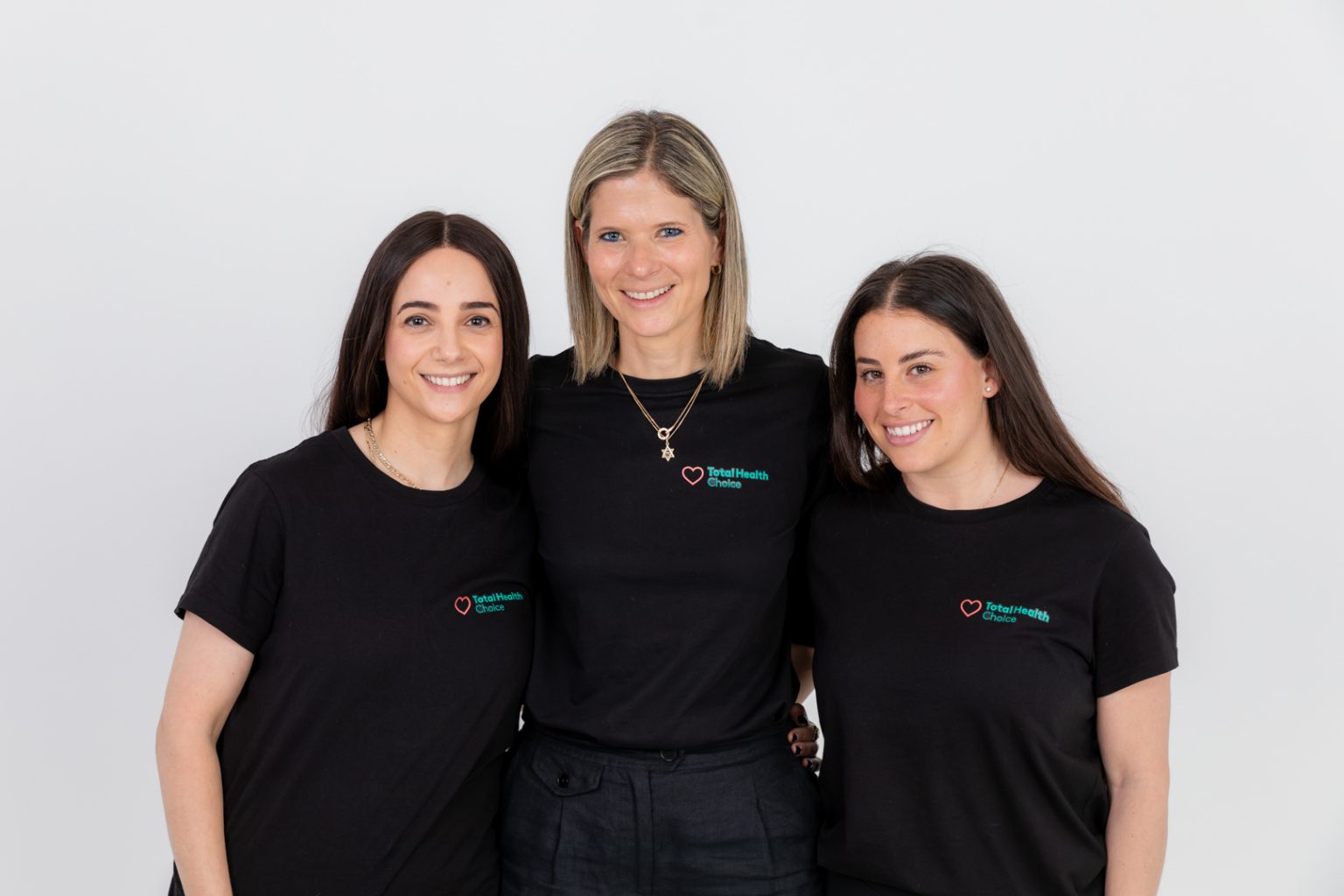
Total Health Choice delivers trusted, compassionate support backed by more than 14 years of experience. With over 50 allied health professionals and 200+ five-star reviews, we are a leading provider of occupational therapy sensory assessment across Melbourne.
Our care is trauma-informed, respectful and focused on clear communication. Families and support teams rely on us for assessments that are thorough, practical and easy to use. Our goal is simple. To help every client feel safe, understood and confident in their daily environments.
Total Health Choice is Ready to Help
We are a great provider to consider because we really care, and see your goals as our goals!
- Our values are Trust, Compassion & Care
- Our OTs are in-house, university trained and highly professional
- We are NDIS registered
- There is no patient or case too small to matter
To book your sensory profiling, please use our contact or referrals pages to get in touch. We’d love to listen to your story!
Contact Us

What Happens After the Assessment
You receive a clear written report that explains your sensory patterns, triggers and strengths in simple, practical terms. Your Occupational Therapist talks you through the results so you understand what they mean for everyday life.
You also receive personalised recommendations. Our recommendations may include adjustments to routines, calming strategies or environmental changes linked to supports such as home modifications or bathroom renovations to improve comfort and safety.
We then work with you, your family and your support coordinator to create a plan that feels achievable. This may involve ongoing therapy, skill-building or guidance for home, school, work or community settings. Our aim is to help you feel calm, confident and in control of your daily environments.
Sensory Profiling FAQs
-
What senses does sensory profiling take into account?
A sensory profile assessment looks at how you respond to the five primary senses. These include vision, hearing, smell, taste and touch.
It can also explore other sensory systems such as proprioception, which helps you understand your position in space, and nociception, which relates to pain.
During a sensory assessment, your Occupational Therapist focuses on how these senses influence comfort, behaviour and daily participation.
-
Will I be required to simulate certain stimuli and how is this done safely?
No. A sensory processing assessment does not expose you to overwhelming or distressing situations.
The goal is to understand areas of hypersensitivity or reduced sensitivity through safe observation, conversation and validated tools.
Your therapist then develops strategies to help you feel more comfortable and confident in daily environments.
-
What strategies or Assistive Technology might be recommended?
Recommendations depend on your individual sensory profile.
Your Occupational Therapist may suggest calming strategies, environmental adjustments or simple tools such as tinted glasses or noise cancelling headphones.
If helpful, they may also advise supports linked to home modifications or bathroom renovations that improve comfort and safety.
-
How can sensory profiling improve day to day comfort or participation?
A sensory assessment helps you understand why certain environments feel stressful or calming.
This insight supports better emotional regulation, smoother routines and improved participation at home, work or in the community.
It also helps care teams create settings that reduce overwhelm and increase independence.
-
What qualifications do your Occupational Therapists hold for sensory profiling?
All assessments are completed by university trained Occupational Therapists with advanced skills in occupational therapy sensory assessment.
Our team uses standardised tools and trauma informed practice to ensure accuracy and safety.
-
How long does a typical sensory profiling session take?
Most sessions take between one and two hours.
Your therapist may also observe daily routines or environmental factors to build a complete understanding of your sensory needs.
-
What follow up support is provided after the assessment?
You receive a clear written report outlining your sensory patterns, triggers and strengths.
Your therapist explains the results in simple language and provides practical recommendations.
Support may include ongoing therapy, environmental adjustments or strategies linked to daily routines.
We also collaborate with families, support workers and coordinators to ensure consistent follow through.
-
Can sensory profiling results be used for NDIS plan reviews or goal setting?
Yes. A sensory profile assessment provides strong evidence to support NDIS plan reviews, goal setting and functional reports.
The insights help shape strategies that improve independence, participation and emotional regulation.
-
Real life impact. Sensory Profiling Success Stories
- A seven year old boy experiencing meltdowns at school showed strong improvement after his sensory profile assessment revealed auditory sensitivity and tactile seeking. With the right tools, he became calmer and more focused in class.
- An adult living with chronic pain discovered proprioceptive under responsiveness. With deep pressure techniques and weighted supports, her body awareness and comfort improved significantly.
-
What is the Total Health Choice approach to sensory profiling?
Our approach includes a full functional assessment, standardised sensory tools, observational assessment and collaboration with your support network.
We analyse all information carefully and provide a feedback session that explains your sensory profile in clear, practical language.
Our goal is to help you feel understood, supported and confident in everyday environments.