• Assistive Technology

Wheelchair Prescription

Wheelchair assessment, trials and prescription to support safe mobility, independence and access at home and in the community.

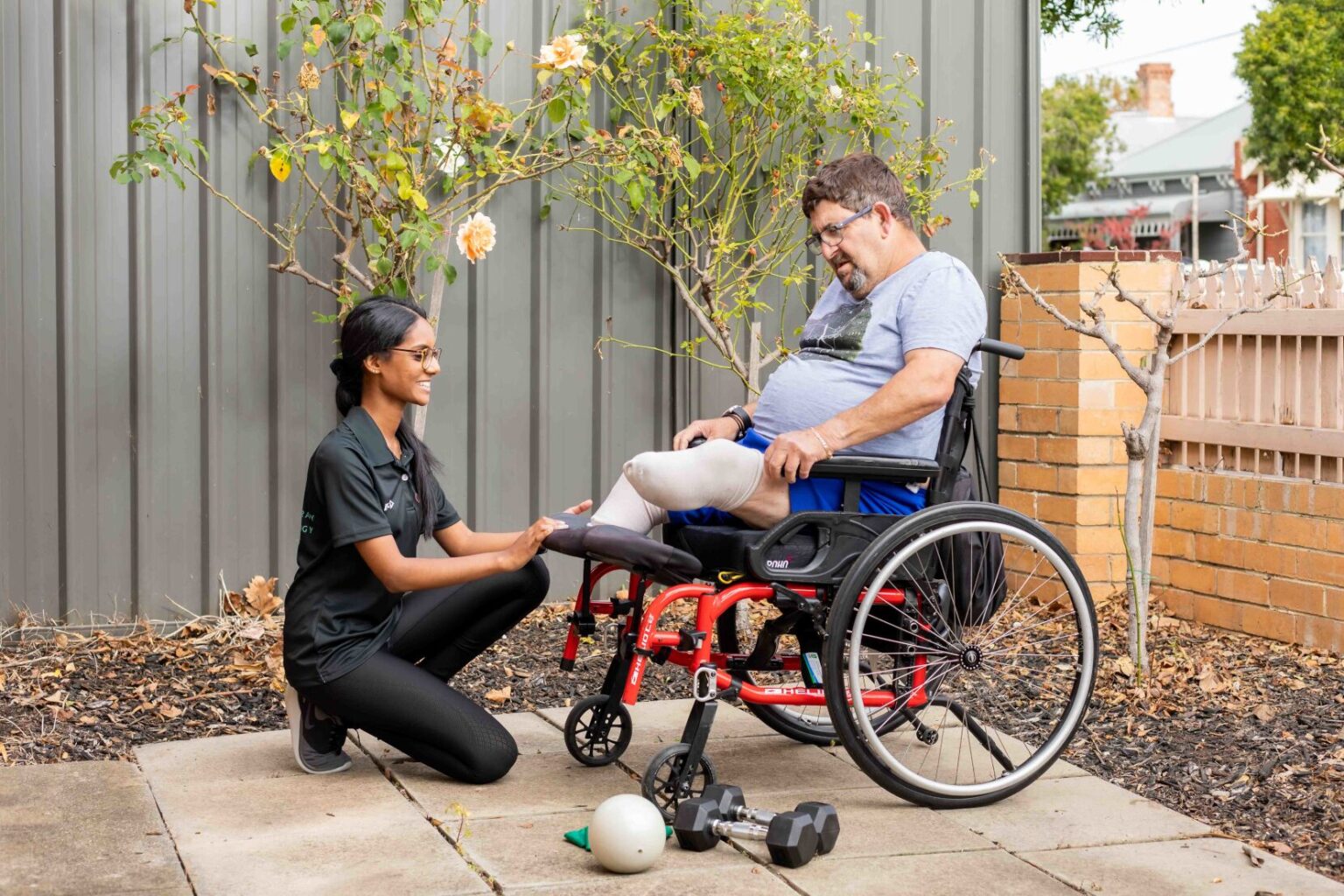
Our mobile Occupational Therapists prescribe wheelchairs on an individual basis, helping each person identify the most suitable option for their needs, goals and environment.

  • NDIS Registered
  • Mobile OT Support
  • Trials & Prescription
  • Occupational Therapy support

Wheelchair Assessment, Trials & Prescription

Wheelchairs are mobility devices used to assist people to transport themselves. People may require a wheelchair for many reasons, and it may be a temporary or permanent piece of equipment.

Total Health Choice Occupational Therapists prescribe a wide variety of wheelchairs on an individual basis, helping each person find the type and configuration most suitable for their needs.

Our compassionate Occupational Therapists are mobile across South East and West Melbourne.

Make a Referral

  • Mobility equipment options

Types of Wheelchairs

Total Health Choice provides assessments, reviews and ongoing support for a wide range of wheelchairs. We work with mobility-aid companies to source the option that best meets each person’s requirements.

Manual Wheelchairs

Manual wheelchairs can assist people who are unable to walk or who experience mobility difficulties.

There is a diverse range of manual wheelchairs for use in daily life, hospitals and aged-care facilities.

Options include self-propelled wheelchairs, where the person pushes themselves, and attendant-propelled wheelchairs designed to be pushed by a carer using rear handles.

Manual wheelchairs can also be customised for the individual.

Tilt-in-Space Wheelchairs

Tilt-in-space wheelchairs can assist with pressure relief and help support an optimal seating position.

They are designed for long-term users who require trunk support and can offer a broad range of configurability options.

Features may include height-adjustable seating, padded headrests and armrests, adjustable backrests and elevating footrests.

Folding Wheelchairs

Folding wheelchairs are designed to be transportable and can fold to save space.

They may be stored in a car boot and can be suitable for people and families who want a convenient option for getting out and about.

A folding wheelchair may suit people who do not require a wheelchair all the time and need something that can be stored away when not in use.

Princess Air Chairs

Princess air chairs are highly supportive and comfortable chairs used by people with higher support needs.

They are generally designed for comfort rather than outdoor mobility and may recline with adjustable neck, foot, food-tray and calf support.

Adjustable air-cell support can assist with pressure relief and pressure-care management.

Power Wheelchairs, Electric Wheelchairs & Scooters

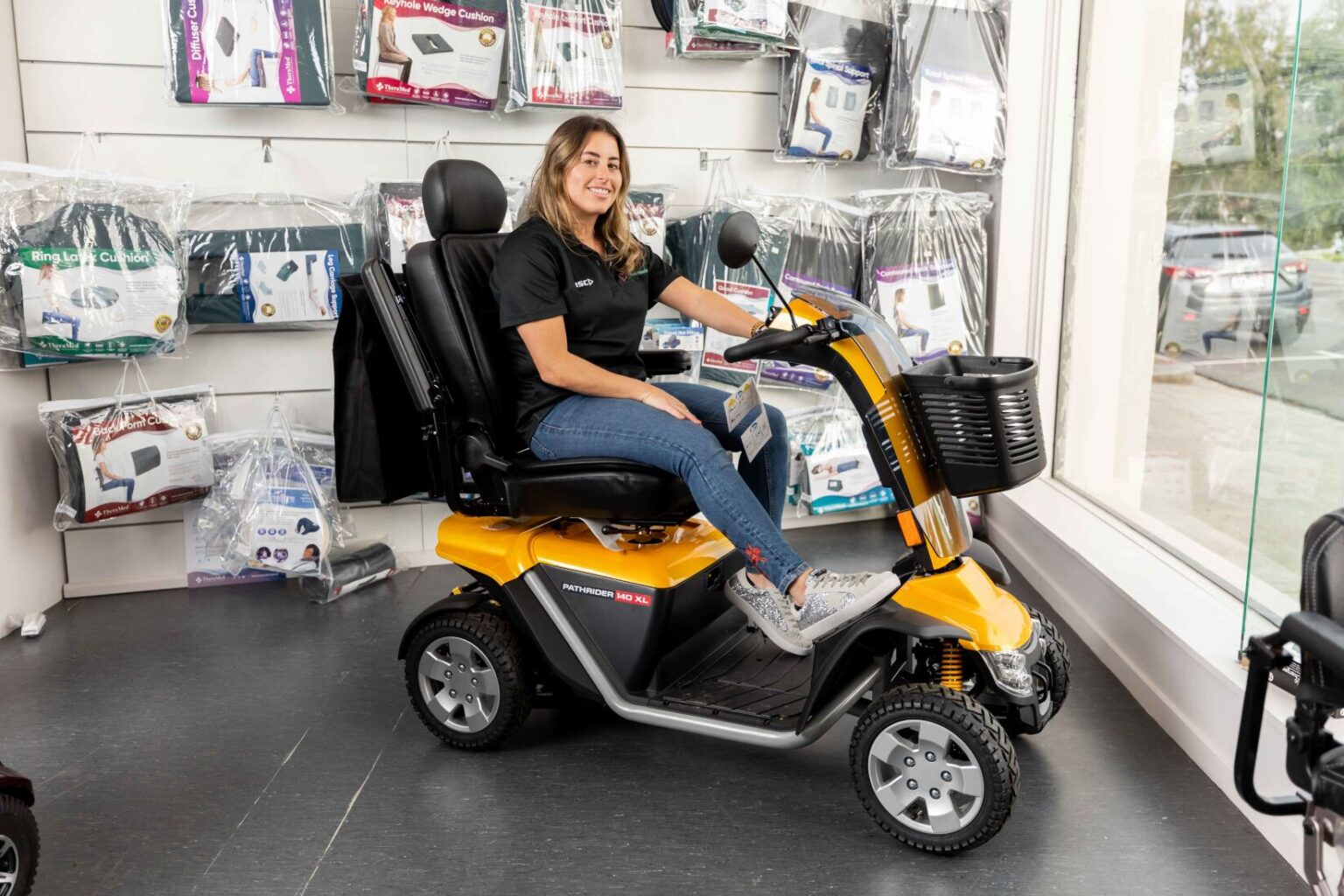
Power wheelchairs and scooters are battery-assisted mobility options that can support longer-distance travel, community access and independence.

They may be controlled through joysticks, adapted controls or software applications, depending on the equipment and person’s needs.

There are many scooter options available, from smaller models that fit into a car boot through to heavy-duty mobility scooters suitable for steeper hills and longer travel distances.

  • Individual seating and mobility needs

How Wheelchairs Can Be Customised

Wheelchairs are an important asset to people and can be customised to optimise comfort, safety and everyday use.

  • Different seats and cushions, including options such as ROHO cushions
  • Trunk supports
  • Different wheel thicknesses
  • Different arm heights
  • Smaller or larger turning circles
  • Different locations for controls
  • Different storage compartments
  • Different sizes
  • Clinical suitability and safe use

When Is a Wheelchair Clinically Appropriate?

The overarching objective of a wheelchair is to maintain or improve a person’s independence.

Wheelchair use is highly individual. It may be appropriate for people:

  • Recovering after surgery
  • Living with physical or neurological conditions, including stroke or Multiple Sclerosis
  • Working towards improved independence
  • Experiencing physical decline and reduced mobility

Other equipment, such as a four-wheel walker, may be recommended instead of or in conjunction with a wheelchair.

For people who are ambulant, it is important that they do not become over-reliant on their wheelchair. The Occupational Therapist provides education about safe and appropriate wheelchair use.

  • From home assessment to equipment trial

Wheelchair Assessment & Trial

Patients, family members and support organisations can contact Total Health Choice for an assessment in the person’s home.

Our Occupational Therapist completes a comprehensive assessment that may consider both equipment and home modifications.

For wheelchair prescription, ramps, door widths and transfer safety, such as bed-to-wheelchair transfers, are particularly important.

We then engage an appropriate disability-equipment provider to source the wheelchair for a trial. Source trial periods range from one day to two weeks.

When the wheelchair meets the person’s needs and they are happy with it, we can assist with purchase. The Occupational Therapist also provides detailed reporting about relevant healthcare recommendations.

For NDIS participants, we can submit Assistive Technology requests to support funding applications. Wheelchairs can be low-cost or high-cost items, so it is important that the recommendation is reasonable and necessary.


Make a Referral
  • Patient-directed support

Wheelchair Referrals for Total Health Choice

Total Health Choice may be an appropriate provider for adults over 18 living with a physical and/or neurological disability.

  • We provide caring and empathetic support
  • Our assessments are comprehensive
  • We are experienced with wheelchair prescription
  • We actively listen and believe in patient-directed care

To speak with our administration team, please use our referrals or contact pages.

Contact Us
  • Wheelchair support questions

Wheelchair Prescription FAQ

The Occupational Therapist can prescribe an appropriate rehabilitation strategy.

This may involve a Physiotherapist, Exercise Physiologist, prescribed exercise for the person to complete independently, or exercises supported by a carer.

Education is provided by both the Occupational Therapist and the equipment-supply company.

  • How long to use the wheelchair each day
  • How to safely move, turn, navigate obstacles and apply the brakes
  • How to transfer, including from wheelchair to shower or bath
  • Equipment warranties, manuals and available support
  • Manual-handling training for carers or family members
  • Wheelchair prescription support

Need Help Finding the Right Wheelchair?

Speak with Total Health Choice about a home-based wheelchair assessment, equipment trial and prescription tailored to your mobility goals and environment.

  • In-home Occupational Therapy assessment
  • Manual, power and specialised wheelchair options
  • Equipment trials and supplier coordination
  • Support for NDIS Assistive Technology funding pathways
Make a Referral Contact Us